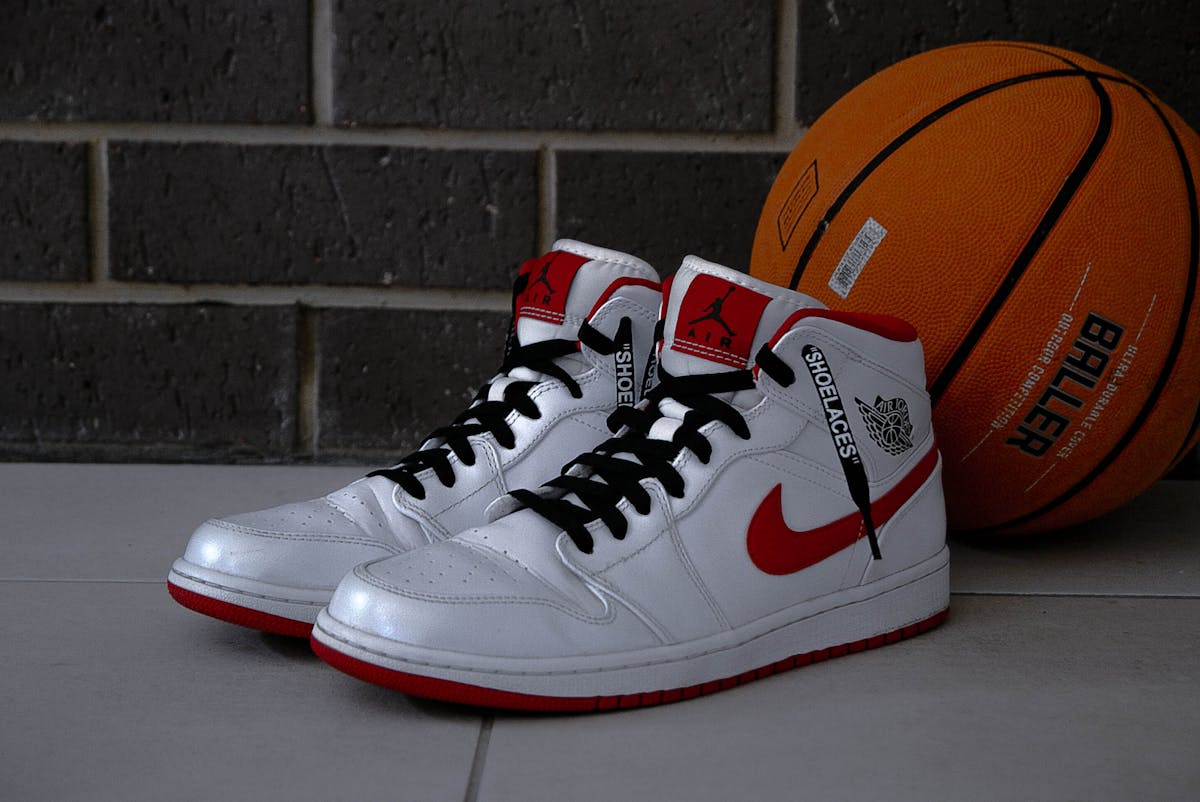
adidas adiClub is a global loyalty program with an estimated 200 million members, earning points both for purchases and for athletic activity logged via adidas apps. Members progress through four tiers -- Member, Silver, Gold, Platinum -- unlocking benefits including exclusive products, event invites, and personalised athlete content. The activity-earn mechanic ties loyalty to adidas' brand identity rather than purely to spending.
What is adidas doing?
adidas adiClub launched as adidas' unified global loyalty program, replacing earlier regional programmes. The core mechanic is points on purchases -- straightforward retail loyalty. But adiClub has two elements that distinguish it from most apparel loyalty programs.
First, the activity-earn mechanic. Members accumulate points by logging runs via the adidas Running app and workouts via the adidas Training app. A member who logs a 10km run earns adiClub points without spending a dollar. A member who completes a 30-day fitness challenge earns points without visiting a store. Non-purchase earn keeps the program active during the long periods between footwear and apparel purchases.
Second, the Platinum tier's exclusive-access benefits. At the top tier, members receive access to exclusive products and early-release drops before they go to the general public. In a market where sneaker culture and limited-edition drops drive enormous consumer enthusiasm, access before the general public is not a token perk. It is genuinely valuable to the consumers who care most about adidas products.
AdiClub has approximately 200 million members globally, making it one of the largest branded loyalty programs in the sportswear category. The programme operates in most major markets with localised tier thresholds.
The program also awards points for product reviews, connecting the earn mechanic to content generation that benefits adidas' marketing. A member who writes a detailed review of a running shoe earns points while providing authentic product content -- a dual-value action that adidas gets for the cost of a small points award.
Why does it work?
Identity-tied loyalty is more durable than transactional loyalty. An adidas member who earns points for running is not just accumulating a balance -- they are living the brand's core promise. adidas is a sports brand. Every run logged via the adidas app reinforces the member's identity as an athlete and their association of that identity with adidas. When the member is ready to buy new running shoes, adidas is the brand most embedded in their athletic self-image.
Non-purchase earn keeps members active between shopping occasions. Sportswear is not a daily-purchase category. A member who buys running shoes twice a year and training gear twice more has four purchase events in a year. Without non-purchase earn, that member's engagement with the program drops to near zero for 10+ months per year. With activity earn, they are earning -- and staying connected to the program -- every week.
Tier aspiration drives incremental spend. The four-tier structure creates aspiration. A Gold member who is 200 points from Platinum will buy something they might otherwise have delayed in order to reach the top tier. The tier itself is the incentive; the discount or exclusive product at the top is the tangible reward. Tier progression drives incremental spend that flat programs cannot.
What can a 1-location SMB copy on Monday?
Tactic 1: Add one non-purchase earn trigger. You do not need adidas app integration to run activity-based loyalty. For a sports shop: "Show us a logged 5km run this week for double stamps." For a yoga studio: "Post your class attendance in our WhatsApp group and earn a bonus stamp." For a gym: "Hit 10 check-ins this month and earn a free PT session." The specific mechanic matters less than the principle: give members a way to earn between purchases by engaging with the activity your brand stands for.
Tactic 2: Design your program around your customer's athletic identity. adidas awards points for running because adidas is a running brand. A cycling shop can award points for logged rides. A surf shop can award stamps for beach sessions logged on a surf app. A martial arts studio can award stamps for tournament participation. Whatever your brand promise is, your earn mechanic should reflect it. Members who earn loyalty for living the brand promise are more deeply engaged than members who earn only for spending.
Tactic 3: Make your top tier genuinely exclusive. adiClub Platinum gets early access to drops. For a sports SMB, the equivalent might be: top-tier members get to try new products before they launch, get invited to exclusive training sessions with a coach, or get early booking access for limited class slots. The exclusivity matters -- if the top tier receives the same benefits as the entry tier plus a slightly bigger discount, the aspirational pull is weak. Make the top tier feel like genuine insider status.
Tactic 4: Award points for reviews. adidas awards points for product reviews. Any SMB can do this: "Leave a Google review this month and earn a bonus stamp." The mechanic earns you marketing content while rewarding the member. A salon, restaurant, or gym that generates 50 Google reviews per month through loyalty-incentivised requests will see measurable SEO benefit alongside higher member engagement.
How adiClub compares to other sportswear loyalty programs
| Program | Activity earn? | Tier count | Exclusive access? | Review earn? |
|---|---|---|---|---|
| adidas adiClub | Yes (logged workouts) | 4 | Yes (Platinum drops) | Yes |
| Nike Membership | Partial (challenges) | 2 | Yes (member-only products) | No |
| Lululemon (community) | No formal points | N/A | Yes (events) | No |
| Rebel Active (AU) | Yes (fitness app) | Points | Yes (exclusive products) | No |
| SMB sports shop (wallet pass) | Configurable | 1-3 | Configurable | Yes (Google review) |
The adidas model proves that activity earn is achievable across multiple formats. The SMB version requires no app integration -- manual verification works for a single-location programme.
The three loyalty tiers every US sports SMB should understand
Worst: a branded loyalty app. adidas built the adidas Running and Training apps over many years at enormous cost to integrate activity earn into adiClub. An independent sports retailer building proprietary apps to track member runs is paying for what adidas has already built. Roughly 83% of branded apps are uninstalled within 30 days. The SMB version of activity-earn loyalty does not require a proprietary app.
Middle: paper stamp cards. A paper stamp card can track purchase-based earn but cannot track activity earn, cannot send a push notification when a member logs a qualifying run, and cannot update in real time when a non-purchase action is recorded. The paper card is a one-dimensional instrument in a sport category that calls for multi-dimensional engagement.
Best: Apple Wallet and Google Wallet passes. A wallet pass tracks purchase stamps, accepts manual activity earn entries when staff note a qualifying activity, sends push notifications for milestone rewards, and carries the member's tier status visibly. When a member unlocks a new tier, the wallet pass updates automatically and sends a congratulations notification. For a sports SMB running a programme that combines purchase earn and activity earn, a wallet pass is the format that makes both visible and meaningful on the member's phone -- without requiring an app that most members will uninstall.
The 200 million member problem and the 300 member opportunity
adidas adiClub has 200 million members. At that scale, a push notification to 5% of the member base is 10 million people. The editorial, legal, and technical infrastructure required to send a single message is enormous. Personalisation at that scale is algorithmic -- adidas cannot know which of its 200 million members just ran their first half-marathon.
Your 300-member wallet-pass programme can know exactly that. "Congrats on the half-marathon, [name] -- here's a $20 credit toward your next pair of trainers" is a notification that adidas cannot send to an individual member in the same way. The small programme's superpower is not scale -- it is intimacy.
Use the activity-earn mechanic to build a picture of your members' athletic lives. Members who log activities tell you what they are training for. That data enables the personalisation that adidas, at 200 million members, cannot achieve.
LoyaltyPass lets sports retailers, gyms, and fitness businesses set up wallet-pass loyalty programs with configurable earn triggers -- including activity-based earn -- and push notifications at every stage. No app required.
For more on sports and apparel loyalty mechanics, see the Nike loyalty program analysis and the Lululemon loyalty strategy breakdown. For the broader SMB perspective on what loyalty programmes cost to run, see the loyalty program cost guide.