Why Nike's Loyalty Program is a Money Machine
The Nike loyalty program does not ask customers to collect points. It asks them to belong.
That one shift built one of the best retention systems in retail. Nike now has over 300 million members globally. Member demand hit a record $3 billion in a single quarter. And Nike's own investor data shows that NikePlus members who shop on mobile apps spend three times more than guest customers. Nike CEO John Donahoe confirmed on the company's earnings call that repeat members are growing faster than new ones, with engagement up double digits every quarter.
This is not a discount club. This is a business model.
And yes, you can copy the strategy without Nike's budget. Not the four-app setup. Not the billion-dollar tech stack. But the core ideas? They work for a coffee shop, a salon, a gym, or any local business that needs repeat customers. You just need to know where to look.
Nike's loyalty program runs on access, identity, and belonging, not points.
The Psychology Behind it (This is not about Points)
Most loyalty programs work on a simple loop: spend money, earn points, get a reward. Nike looked at that model and built something different.
Nike's program runs on three levers: access, identity, and belonging.
Access creates urgency. When members see a sneaker drop before the rest of the world, they are not just buying a shoe. They are using a privilege. That feeling keeps people engaged even when they have no plans to buy.
Identity is the deeper move. Nike does not say "join our rewards program." It says "join the greatest team in sports." You are not signing up for discounts. You are joining something. Words like "belong" and "join us" do something to people, they trigger the same part of the brain tied to tribe and community. Research backs this up, 47% of customers say they are more likely to stay loyal to a brand with a like-minded community.
Belonging keeps people active long after they sign up. Members get training apps, free workout classes, coaching content, and challenges. None of that is shopping. All of it builds the bond with the brand. 79% of Nike customers say exclusive benefits are a major reason they stay loyal, not discounts, not points.
"Nike built a loyalty program where the cost of leaving feels higher than the cost of staying. That is the model most small businesses have completely backwards."
People do not stay because switching is hard. They stay because being a member feels good. That is what you are building toward.
How the Nike Loyalty Program Actually Works
Nike's program is free to join. It runs across four apps. Each app has a different job, but all of them feed data back into one shared experience.
The Nike app is the central hub, member-only collections, rewards, and personalised picks all live here.
Here is how one member might use Nike's ecosystem in a single week:
Monday: Opens Nike Training Club for a 30-minute workout. Nike logs the session and updates their profile.
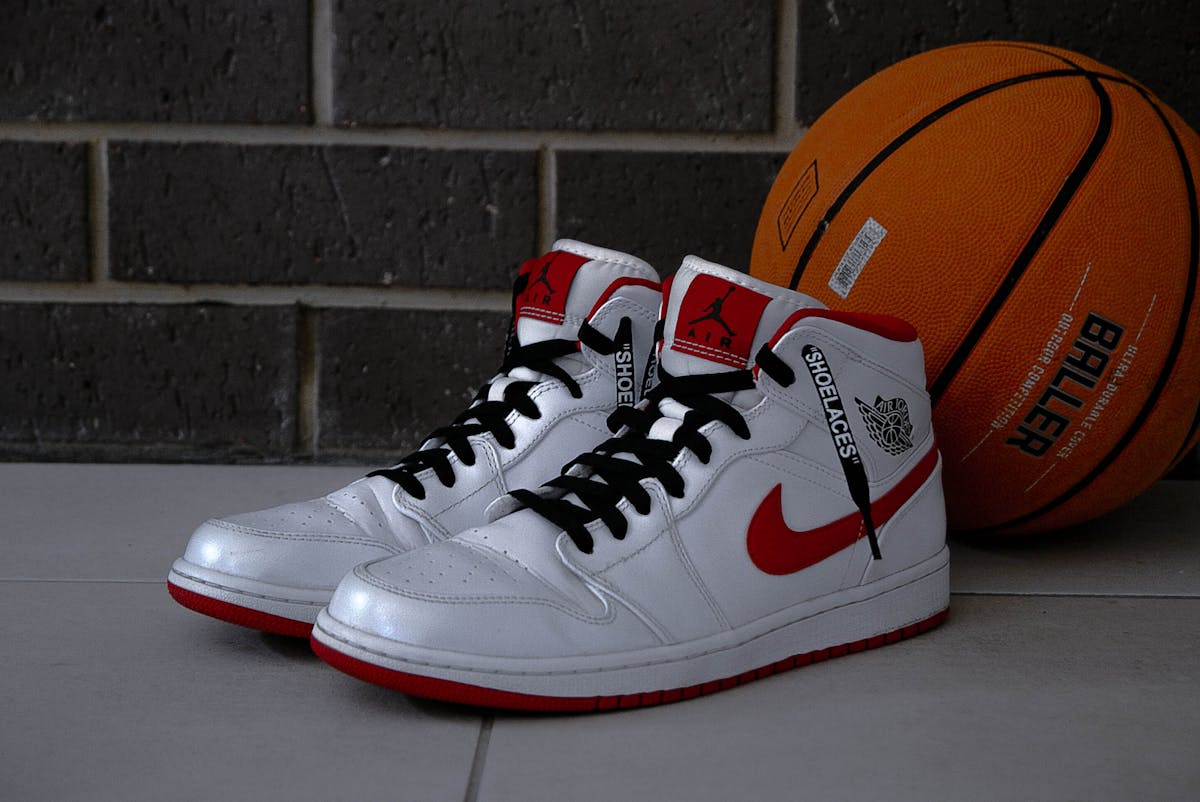
Wednesday: Gets a SNKRS alert, a limited Air Jordan drops in 48 hours, members only. Reserves a pair.
Friday: Birthday. The Nike app sends a personal gift offer and a product pick based on their recent activity.
Saturday: Walks into a Nike store. Scans their app. The staff can see their history and reward balance. No friction.
That is the loop. Not a points ledger. A living bond that rewards action as much as spending.
The Nike App is the hub. It holds member-only collections, around 170 exclusive items at any time, plus personalised picks, birthday rewards, and in-store redemption.
SNKRS drives hype. Members get early alerts and first access to limited footwear. The app grew from under $70 million in 2016 to over $750 million by 2019. That is roughly 20% of Nike's entire digital business. It works because members get something no one else can.
Nike Run Club builds a daily habit. Members log runs, join challenges, and follow guided workouts. All that data feeds Nike's personalisation engine. 61% of consumers say they return to brands that personalise their picks. Nike collects the data to make that happen.
Nike Training Club does the same for the gym. Workout plans, coaching, and recovery tips, all free for members.
One login works across all apps and the website. Members get the same benefits whether they shop on their phone, online, or in-store. Nike's direct business now accounts for over 40% of total brand revenue. The membership engine is a big reason why.
5 Tactics small Businesses can Steal from Nike Today
Nike spent hundreds of millions building its program. The tactics behind it cost almost nothing to use. Here are five that work for any small business, with experience at the centre of each one.
1. Make Sign-Up Frictionless
Nike's sign-up takes minutes. No long forms. No credit card. No walls. You are in before you can change your mind.
Most small business loyalty programs still use paper forms at the counter or ask customers to download an app. Both kill sign-ups.
The rule is simple: every extra step costs you members. Remove as many as you can. A QR code at the counter that adds a digital card to Apple or Google Wallet in one tap is the small business version of Nike's mobile sign-up. LoyaltyPass lets you do this today, no app download for the customer, no hardware for you.
2. Sell Access, not Points
This is the Nike playbook in one sentence.
Points make people think. They weigh up whether a purchase is worth it. They wait for thresholds. They leave when the maths stops working.
Access makes people feel special before they spend a thing. A members-only flash sale. Early access to a new dish. A first look at a new product line. A "regulars only" night on a slow Tuesday.
None of this needs technology. It needs intent, and a list of your best customers.
When you say "we saved this for members first," you create a feeling no points card can match. That feeling is worth more than any discount.
3. Make it Personal
Nike knows your shoe size, your pace, and when you last ran. It uses all of that to show you things that feel like service, not ads.
Small businesses already have this data. You just do not always use it.
A birthday reward sent on the actual birthday hits differently than a monthly email blast. A message saying "you haven't been in for a while, here is something for you" beats any generic promo. A push alert sent when a customer is near your store converts at rates email cannot touch.
This used to be enterprise-only tech. It is not anymore. Wallet pass tools now offer segmentation, visit tracking, and location-based push, at a cost that works for local businesses.
4. Build a Pocket Presence
Nike reaches over 300 million members from their phones. Zero media spend. Near-100% delivery. Nike's CFO confirmed that the app portfolio drove almost half of total digital revenue in one quarter.
Nike reaches hundreds of millions of members from their phones, no ad spend needed. Small businesses can do the same with a digital wallet loyalty card.
Your business needs the same thing. Not a custom app, those cost tens of thousands and most customers will not download one. You need a steady presence on the phone they already carry.
A digital loyalty card in Apple Wallet or Google Wallet works like a lightweight app. It sits on the home screen. It sends push alerts to the lock screen. It updates the moment a reward is earned. It shows up when a customer walks near your shop.
That is pocket presence. LoyaltyPass was built for this. One QR code at your counter. Card on their phone. No app store. No paper card lost in a washing machine. No training needed for your team.
5. Reward Engagement, not just spend
Nike rewards members for running, training, and engaging, not only buying. Nike CEO John Donahoe said it plainly: "more engagement leads to more repeat buyers, higher buy rates, and higher average order value." It builds on itself.
You can do this too. Give a small reward for a Google review. Offer bonus stamps for a referral. Mark milestone visits, "this is your 10th visit, here is something from us." Send an anniversary message.
Small moments like these build real loyalty. Customers who feel seen outside of a sale are far more likely to tell others about you. Those referrals cost you nothing.
Where most small Businesses go wrong
Most small businesses make one of four mistakes when they try to copy Nike.
They copy the look, not the idea. They print cards, launch a points program, and wonder why nothing changes. The tool is not the problem. The thinking is. Nike did not win by making it easy to earn rewards. It won by making customers feel like insiders. A stamp card alone does not do that. Feeling known does.
They try to do too much at once. Nike's four apps took years to build. Many small businesses launch tiers, points, referrals, and birthday offers all on day one. That is too much. Customers get confused before they get loyal. Pick one thing. Do it well. Add layers later.
They see the program as a cost. The wrong question is "how much are we giving away?" The right one is "what is a loyal customer worth to us over two years?" Bain & Company research shows that a 5% rise in retention can boost profits by 25% to 95%. The reward is not a cost. It is what you pay to keep a customer you never have to advertise to again.
They keep the program off their customers' phones. Paper stamp cards get lost. Most never get redeemed. The average redemption rate on paper cards is around 8%. A digital wallet program runs at 30 to 40%. That is not a small gap. That is a different result entirely. The channel matters.
Two objections come up often: "My customers are not tech-savvy" and "It sounds hard to set up." Both go away the first time a 65-year-old customer scans a QR code at the counter and adds a card to their phone in 15 seconds.
How to launch your own Version without Nike's Budget
Nike built something most businesses cannot copy. That is fine. You do not need to.
The ideas behind Nike's retention are open to any business. The tools to run them cost less than a daily coffee.
Here is a four-week plan:
Week 1: Get on their phone. Set up a digital loyalty card for Apple Wallet or Google Wallet. Print one QR code and put it at the counter. Your only goal this week is 50 members. Nothing else matters yet.
Week 2: Create your first access moment. Pick one thing members get that non-members do not. An early look at something new. A members-only deal. A reserved spot at a class. Tell only your members. Feel the difference between that and a generic post.
Week 3: Send your first push alert. Not a discount. A message. "Your free coffee is waiting." Or: "Slow day, double stamps until 3pm." Keep it short, personal, and time-specific. Check the open rate. Compare it to your last email.
Week 4: Use the data. Who has not been in for 30 days? Send a win-back message. Who has visited five or more times this month? Say thank you. Who referred someone? Call them by name next time they walk in.
That is the Nike playbook at local scale. No app build. No big software contract. No team needed.
LoyaltyPass was built for this. It gives local businesses the retention tools that used to cost enterprise money, starting at $99 a month. Setup takes under ten minutes. The first scan is always the best moment.
The access model is not just for Nike. It is for the barbershop, the coffee shop, the yoga studio, and any business that wants its best customers to feel like members, not just receipts.