The best digital loyalty card for a small business is a wallet pass: a branded card that lives in Apple Wallet or Google Wallet with no app download required for customers. LoyaltyPass is the leading platform, starting at $99/month with a 14-day free trial and setup in under 10 minutes.
Quick Comparison: digital Loyalty Card Platforms
| Platform | Starting price | Wallet-native | No customer app | Push notifications |
|---|---|---|---|---|
| LoyaltyPass | $99/month | Yes (Apple + Google) | Yes | Yes, included |
| Loopy Loyalty | ~$49/month | Yes (Apple + Google) | Yes | Basic |
| Stamp Me | ~$30/month | No (app required) | No | Yes |
| Square Loyalty | $45/month add-on | No | No | Separate add-on |
| Custom app | $15,000+ setup | No | No | Yes |
Paper punch cards have a redemption rate below 10%: 39% of customers abandon them because they lose the card. A digital loyalty card in Apple Wallet or Google Wallet is always on the customer's phone, sends push notifications with 90% open rates, and costs less per month than most businesses spend printing replacement paper cards.
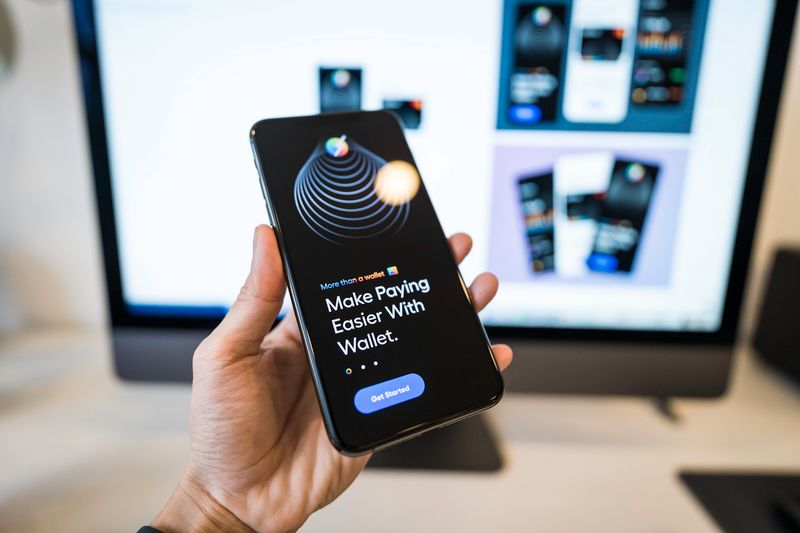
A digital loyalty card lives in Apple Wallet or Google Wallet, always on hand, impossible to lose.
What is a digital Loyalty Card for small Business?
A digital loyalty card is a smartphone-based rewards system. Instead of handing customers a paper card to carry around, you issue a digital pass that lives inside their Apple Wallet or Google Wallet, right alongside their boarding passes and bank cards.
No app download. No login screen. No friction.
Customers scan a QR code at your counter, tap once to add the card, and they're enrolled in your loyalty program within seconds. You gain a direct marketing channel to that customer. They get rewards they'll actually use.
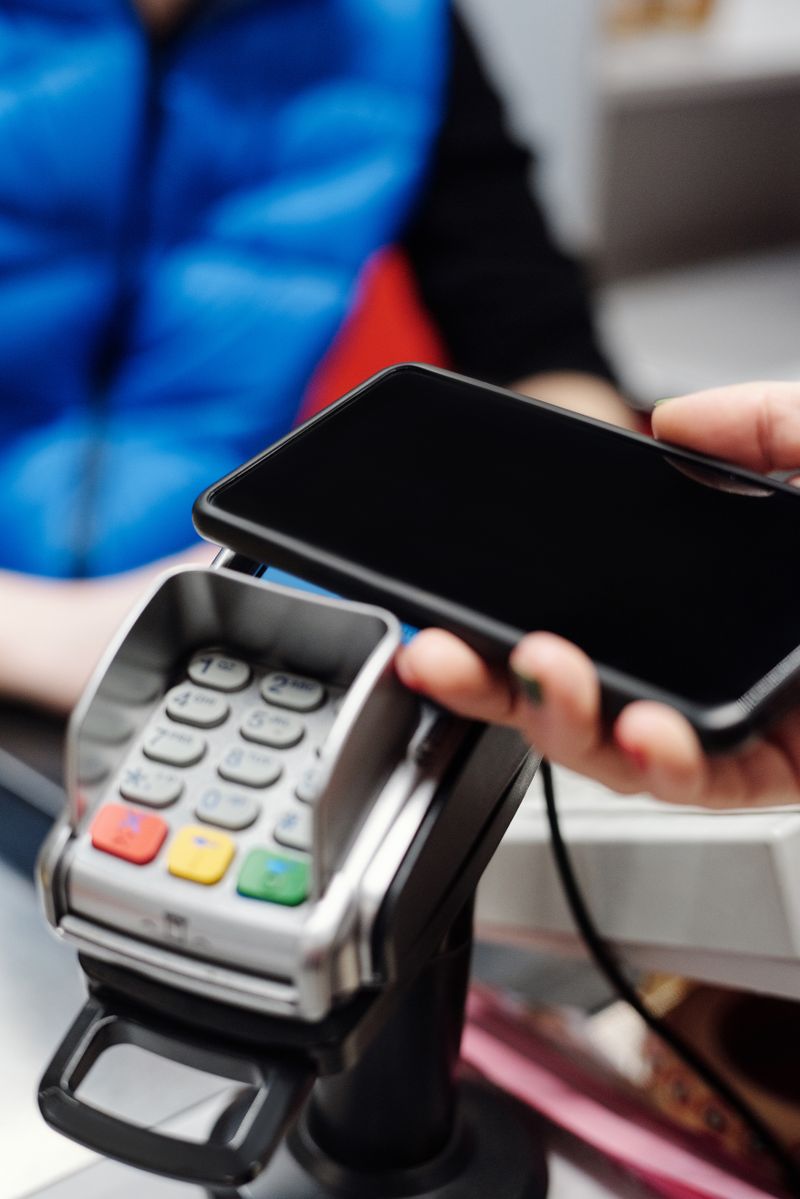
Customers add the loyalty pass to their existing wallet app with a single tap, no new app download needed.
How it Works
- Design your card: upload your logo, pick your brand colors, and set your reward rules (points or stamps).
- Share it everywhere: print a QR code for your counter, send a link via SMS, or embed it in your email footer.
- Customers add it: one tap and the card lives in their Apple or Google Wallet permanently.
- Scan and reward: open the free merchant app, scan their wallet pass, and points update instantly.
- Engage and retain: send push notifications straight to their lock screen, any time, at no extra cost.
The whole setup takes under 10 minutes. No developers. No hardware. No app store approvals.
Points vs. Stamp Cards: which is right for you?
Stamp cards work best when you have a single core product. Coffee shops, salons, and food trucks thrive with "Buy 9, get the 10th free", simple, motivating, and easy to explain at a busy counter.
Points cards work better when customers spend varying amounts. A boutique where someone spends $20 one day and $95 the next benefits from a system where every dollar earns credit, so every visit feels worthwhile regardless of basket size.
With LoyaltyPass, you can run both and switch anytime without rebuilding from scratch.
Why Paper Punch Cards are Costing you Money
Paper cards feel familiar. But the data makes a clear case for switching, and the hidden costs go deeper than most owners realise.
Paper punch cards mean lost customers and zero data, digital loyalty programs change that from day one.
The Hidden Costs of Paper Loyalty Cards
Most small business owners don't account for all of these:
- Printing and reordering: a basic run of 1,000 cards costs $50–$150, and most businesses reorder multiple times a year.
- Fraud and forgery: staff overstamping, customers doctoring cards, and duplicate use are far more common than owners realise.
- Lost cards, lost goodwill: when a card is lost, that customer's loyalty progress disappears with it. There's no recovery path. According to Statista, 39% of customers abandon paper programs entirely because of this.
- Zero data: paper tells you nothing about who your best customers are, how often they visit, or what brings them back.
- No re-engagement path: if a customer stops coming in, you have no way to reach them. A digital card lets you send an automated "We miss you, here's a bonus" push and bring them back.
Real Numbers: what Switching Saves you
Paper punch card redemption rates typically sit below 10%. Digital loyalty programs routinely hit 30–40%, up to four times higher.
Businesses that move from paper cards to digital wallet passes consistently see redemption rates climb from the 8-12% typical of paper into the 25-40% range for digital, driven by persistent pass visibility and push notification reminders. The Carrefour case study documented a 34% lift in average spend per member after switching to mobile wallet passes.
On cost alone: printing paper cards runs $150–$500 per year for most small businesses. LoyaltyPass starts at $99/month, and for the majority of businesses, it pays for itself in the first week.
7 Reasons local Businesses are Switching to digital Loyalty Cards
1. Push Notifications with Near-100% Deliverability
Email open rates average around 25% according to Omnisend's analysis of over 23 billion emails. Push notifications from wallet passes operate in an entirely different ecosystem, they bypass spam filters and appear directly on the lock screen with deliverability rates approaching 100%, according to FanCircles' wallet pass research.
When you send a "Double points today" message at 10am, customers see it on their lock screen within seconds, not buried in a crowded inbox, and not filtered by an algorithm.
This is the most underused marketing tool in small business. A slow midweek shift becomes a full house with one well-timed push. No ad budget. No inbox competition. Just a direct line to the people who already love your business.
2. No App Download Required for Customers
App fatigue is real. Customers already have dozens of apps they barely open. Asking someone to download your loyalty app at a busy counter kills sign-ups before they start.
A digital loyalty card without app download requires zero installs. Customers add it to the wallet app they already use daily. The barrier to joining drops to almost nothing, and your sign-up rate reflects that immediately.
3. Works Offline and Survives Phone Upgrades
Once a pass is saved to Apple Wallet or Google Wallet, it works without an internet connection. When a customer gets a new phone, their loyalty pass transfers automatically, points, stamps, and tier status all intact. No frustrated regulars, no lost progress, no awkward conversations.
4. Real-Time Analytics you can Actually use
Paper cards tell you nothing. A digital loyalty platform shows you what's really driving your business:
- Which customers visit most often
- Which reward drives the most redemptions
- Which customers haven't been back in 30+ days
- Your true customer lifetime value
Real-time analytics turn guesswork into strategy, identify your top customers and lapsed visitors at a glance.
This turns guesswork into strategy. Target lapsed customers with a win-back offer. Double down on the reward that moves the needle. Cut what doesn't.
5. Geofence Triggers: show up when Customers Walk Past
Geofencing surfaces your loyalty card on a customer's screen when they walk near your location, a quiet, perfectly timed nudge to walk through the door. It's the digital equivalent of a sandwich board, except it only shows to people who are already in your program.
For high-foot-traffic businesses, this feature alone justifies the switch.
6. Zero Fraud, Zero Forgery
Digital stamps and points are tied to verified wallet passes. There's no way to forge them, duplicate them, or have a staff member quietly overstamp a card. Every transaction is logged and timestamped in real time.
7. Instant Over-the-Air Updates
Change your reward rules, update your branding, or launch a limited-time promotion, every update reflects on every customer's phone instantly. No reprinting. No waiting. No awkward "sorry, we just updated the program" conversations.
How to set up a digital Loyalty Card in under 10 Minutes
You don't need a developer, a designer, or any technical skills. Here's how to launch with LoyaltyPass:
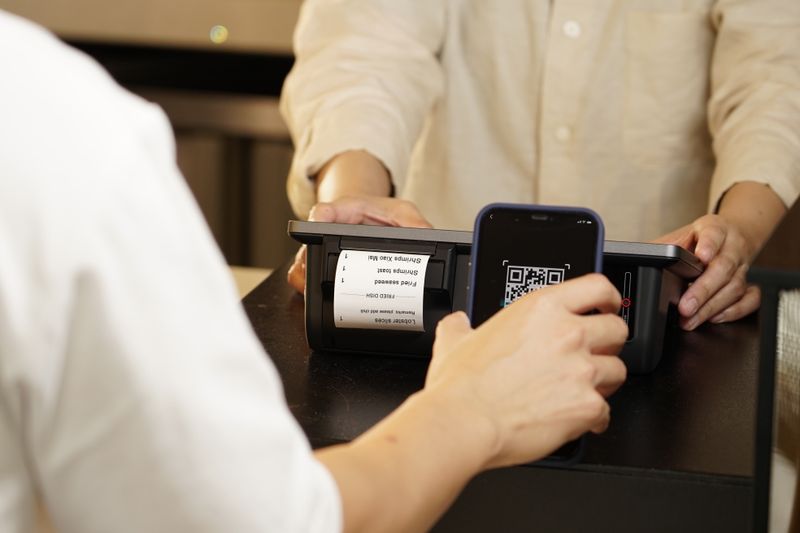
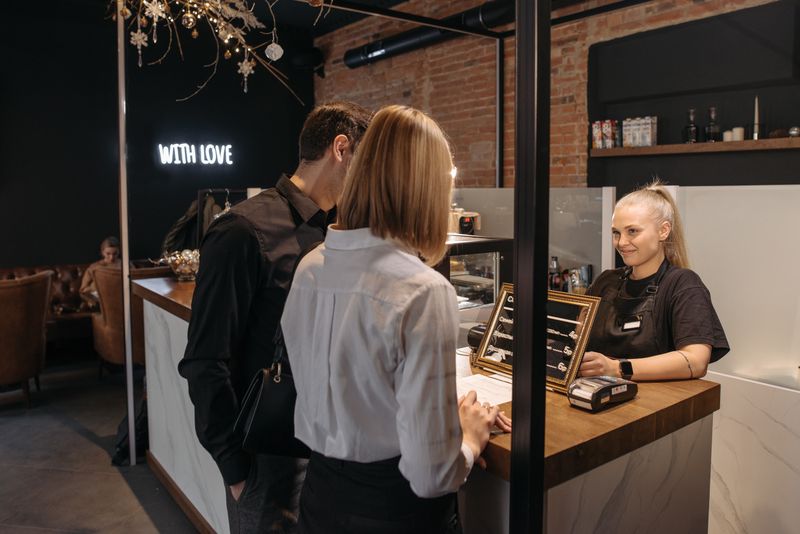
Setup is simple: place a QR code at your counter and customers scan once to join your loyalty program.
Step 1: Design Your Card (5 minutes) Choose a template, upload your logo, set your brand colors, and pick your reward structure, stamps, points, or tiered VIP levels. Your card is ready before your coffee gets cold.
Step 2: Share It Everywhere (1 minute) Print your QR code and place it at the counter. Text a link to existing customers. Embed it in your email footer or add it to your social bio. One tap and it's in their wallet, permanently.
Step 3: Start Scanning (30 seconds per customer) Open the free LoyaltyPass merchant app on your phone. Scan the customer's wallet pass. Points update in real time and rewards redeem automatically. No POS hardware required.
Step 4: Engage and Grow From your dashboard, send push notifications, track visit frequency, identify your top customers, and set up automated messages for lapsed visitors. Your loyalty program runs in the background while you run your business.
Most LoyaltyPass customers go from sign-up to first customer scan in under 10 minutes.
Digital Loyalty Cards by Business Type
Coffee Shops & Cafes
The "buy 10, get 1 free" model is proven, and it performs significantly better when it's digital. Customers can check their stamp count from their wallet without asking your staff. Add a push during your slowest shift and watch the turnaround.
Best setup for cafes: Digital stamp card + push notifications for off-peak hours + geofence trigger near your location.
Restaurants
Restaurants benefit most from a points-based system where every dollar earns credit toward a reward. This encourages larger orders and repeat visits across your full menu. According to Statista research on loyalty program behavior, loyalty program members visit restaurants up to 3x more often than non-members, a key reason app-less restaurant loyalty via wallet passes is gaining adoption across the industry.

Loyalty program members visit restaurants up to 3× more often than non-members, according to Statista research.
Best setup for restaurants: Points card + tiered VIP rewards + SMS distribution + birthday push notifications.
Salons & Med Spas
Appointment-based businesses, from hair salons to nail salon loyalty cards, need loyalty that works between visits. Push notifications let you fill last-minute cancellations instantly, one "Double points today" message to your top customers turns an empty afternoon into a full book.
Best setup for salons: Points card + push notifications for slow days + birthday rewards for VIPs.
Retail Boutiques
Boutiques with varying price points thrive with points programs. A customer spending $20 on a candle and $150 on a jacket both feel proportionally rewarded. Add VIP tiers and your best customers get something no walk-in ever sees.
Best setup for boutiques: Points card + custom VIP tiers + geofence trigger for foot traffic.
How Much does a digital Loyalty Card Cost for a small Business?
Pricing is one of the biggest surprises for owners who've been spending money on paper reprints for years.
Platform Pricing Comparison (2026)
| Platform | Starting Price | Wallet-Native | No App for Customers | Push Notifications | Analytics |
|---|---|---|---|---|---|
| LoyaltyPass | $99/mo | ✅ Apple & Google | ✅ | ✅ Included | ✅ Real-time |
| Loopy Loyalty | ~$49/mo | ✅ Apple & Google | ✅ | ✅ Included | ✅ Basic |
| Stamp Me | ~$49/mo | ❌ Requires app | ❌ App required | ✅ Included | ✅ Basic |
| Boomerangme | ~$39/mo | ✅ Apple & Google | ✅ | ✅ Included | ✅ Advanced |
| Custom app build | $15,000–$60,000+ | ❌ App only | ❌ App required | ✅ Custom | ✅ Custom |
LoyaltyPass Plan Breakdown
Starter: $99/month Best for single-location businesses launching their first digital loyalty program.
- 1 loyalty card design
- Up to 500 active customers
- Apple Wallet & Google Wallet integration
- Points and stamp card programs
- Basic push notifications
- QR code distribution
- Email support
Pro: $99/month For businesses ready to scale with advanced targeting and automation.
- Everything in Starter, plus:
- 5 loyalty card designs
- Up to 5,000 active customers
- Tiered VIP rewards
- Unlimited push notifications
- SMS and email distribution
- Full analytics dashboard
- Smart customer segmentation
- Location-based geofence triggers
- Priority support
Enterprise: Custom pricing For multi-location brands and franchises.
- Everything in Growth, plus:
- Unlimited card designs and customers
- REST API access
- Multi-location management
- Custom POS integrations
- Dedicated account manager
- 99.9% uptime SLA
Is the Cost Worth it?
Run the numbers. If your program brings back just 5 extra customers per month spending an average of $30, that's $150 in recovered revenue, already more than the Pro plan cost. Most businesses see dozens of re-engaged customers per month, not five.
The 2024 EY Loyalty Market Study found that 58% of loyalty program members reported increasing their spending with a brand, a moderate to significant increase. Paper card printing at $150–$500/year delivers none of that, with zero data and a sub-10% redemption rate. The ROI comparison is not close.
LoyaltyPass is on the waitlist now. Join the waitlist to lock in founding member pricing, over 5,000 shop owners are already on the list.
How to Measure your Loyalty Program ROI
Most small businesses launch a loyalty program and never measure whether it's actually working. That's how good programs get cancelled early, and bad ones run forever. Here are the four metrics that matter most.
1. Redemption Rate
This is the percentage of earned rewards that customers actually claim.
Formula: (Rewards redeemed ÷ Rewards issued) × 100
A healthy redemption rate sits between 20–40%. Below 10% usually means your reward isn't motivating enough, or the path to redemption is too complicated. Above 60% can signal your reward is too easy to reach, tighten the threshold.
2. Repeat Visit Rate
How often are loyalty members coming back compared to non-members?
Formula: (Number of repeat visits by members ÷ Total member visits) × 100
If members aren't visiting more frequently than non-members, your program isn't changing behaviour, it's just rewarding behaviour that would have happened anyway.
3. Customer Lifetime Value (CLV)
CLV measures the total revenue a customer generates across their entire relationship with your business.
Formula: Average order value × Purchase frequency × Average customer lifespan
The goal is a measurable CLV gap between loyalty members and non-members. According to EY's research, brands that effectively measure and act on CLV consistently outperform those that don't.
4. Win-Back Rate
Of the lapsed customers you send a re-engagement push to, what percentage return within 30 days?
A win-back rate above 15% means your push messaging strategy is working. LoyaltyPass's analytics dashboard surfaces lapsed customers automatically, so you never have to hunt for this list manually.
Common Setup Mistakes to avoid
Even with the right platform, these mistakes kill loyalty programs before they get traction.
Making the reward too hard to reach. A "buy 25, get one free" stamp card won't motivate anyone. Customers need to feel progress quickly. Start with 8–10 stamps or a points threshold customers can realistically reach in 2–3 visits.
Not promoting the program at the counter. The QR code taped quietly next to the register isn't enough. Train your staff to mention the loyalty card to every customer at checkout. Verbal sign-ups outperform passive QR codes by a wide margin.
Sending push notifications too frequently. One or two pushes per week is the ceiling for most businesses. More than that and customers start ignoring, or worse, disabling, your notifications. Save pushes for genuinely valuable moments: slow-day specials, "you're one stamp away", birthday rewards, and win-back campaigns.
Never changing the reward. If your reward hasn't changed in 12 months, it's gone stale. Run a seasonal promotion, add a limited-time double-stamp day, or introduce a new VIP tier to re-engage customers who've gone quiet.
Skipping the analytics. The dashboard isn't decoration. Check it monthly at minimum. Who are your top 10 customers? Who hasn't visited in 45 days? Which reward has the highest redemption rate? These answers tell you exactly where to focus your next push.
Honest Platform Comparison
Every platform has a different strength. Here's an objective look at the main options, including where LoyaltyPass is and isn't the best fit.
LoyaltyPass is the strongest choice for local businesses that want a wallet-native program (Apple and Google Wallet) without an app, with built-in push notifications, geofencing, and real-time analytics, all from a single dashboard. Starts at $99/month with a 14-day free trial.
Loopy Loyalty is a solid alternative if you only need digital stamp cards and want to keep things extremely simple. It starts at ~$49/month, is wallet-native, and has a strong track record with cafes and salons. Its limitation is that it's built primarily for stamp cards, if you want points, tiered VIP rewards, or advanced segmentation, you'll need to upgrade to their parent platform, PassKit, which is more complex.
Stamp Me is one of the most established platforms in the market with strong support and a proven track record. Its key difference is that customers need to download the Stamp Me app, which works well when customers are engaged, but creates more friction at sign-up than a wallet-native solution.
Boomerangme is the best choice for businesses that want AI-assisted setup and advanced analytics from day one, including direct POS integration. It's wallet-native and feature-rich, but its interface has a steeper learning curve and pricing scales up quickly for growing businesses.
Custom app build is rarely the right answer for small businesses. Development costs start at $15,000 and often exceed $60,000, with ongoing maintenance on top. Unless you have multiple locations and complex integration needs, a SaaS platform will deliver more value at a fraction of the cost.
The honest recommendation: if your primary goal is wallet-native simplicity with push notifications and real-time analytics, LoyaltyPass is built for exactly that use case. If you're already running a stamp-only program and just want to digitise it cheaply, Loopy Loyalty is a proven and affordable starting point.
Real Results: what Happens when Businesses Switch
Here is what LoyaltyPass merchants report after switching from paper or app-based loyalty systems:
Coffee shop, paper to digital: Set up in 15 minutes. Customer retention jumped 40% in the first quarter. The program paid for itself in the first week.
Dental practice, referral push: After launching with post-appointment push notifications, patient referrals jumped from 2 per month to 15, a 7.5x increase from one loyalty touchpoint, measured over 60 days post-launch.
Med spa, slow-day push: Tuesdays used to be the slowest day on the calendar. Now a 10am push, "Double points today", fills the entire schedule by noon. Every week.
Restaurant, first-weekend launch: One QR code on the register. 87 customers signed up in the first weekend. Zero tech training. Zero app store friction.
Barbershop, win-back campaign: Uses the analytics dashboard to find customers who haven't visited in 30+ days. One targeted push and they're back in the chair. "It's like a cheat code."
Conclusion
Paper punch cards had their moment. In 2026, they're costing small businesses real money, in unredeemed rewards, lost customers, and zero actionable data. The research backs this up: 39% of customers abandon paper programs because they lose their cards, and redemption rates below 10% are the norm, not the exception.
A digital loyalty card for small business changes all of that. It lives in your customers' existing wallet app. It sends notifications they actually see. It tracks visits, drives repeat business, and costs less per month than most businesses spend on paper card reprints.
Setup takes under 10 minutes. No app for your customers. No hardware for you. No technical skills needed. 14-day free trial, no credit card required.
Ready to replace your paper punch cards for good? Join the LoyaltyPass waitlist and lock in founding member pricing. The sooner you're on the list, the sooner your customers stop walking out the door without a reason to come back.