Quick answer: Panera's subscription loyalty program is the Unlimited Sip Club. It is a flat-fee drink subscription that doubles as a retention engine. For $14.99/month, members get unlimited self-serve drinks every two hours. The real value is not the fee. It is the daily habit, the foot traffic, the food add-ons, and the customer data. The program gained over 600,000 subscribers in 18 months and now drives roughly 25% of all Panera transactions.
This playbook draws on verified data from Panera Bread press releases, industry research, and analysis published by Restaurant Business, QSR Magazine, PYMNTS, and Let's Talk Loyalty.
What is a subscription loyalty program?
A subscription loyalty program charges customers a set fee each month or year. In return, they get ongoing perks, access, or products. It is different from a points program. A points program rewards past purchases. A subscription program locks in future visits upfront. The customer pays to commit. That shift changes everything about retention, visit frequency, and data collection.
Panera was not the first brand to run a subscription. But it was one of the first in quick-service dining to prove the model at national scale. What it built between 2020 and 2026 is now a case study in marketing courses. Taco Bell, Grubhub, Chuck E. Cheese, and dozens of regional chains have since copied it.
How the Panera Sip Club actually works
Panera launched an unlimited coffee subscription in February 2020. It cost $8.99 per month. It covered hot coffee, iced coffee, and hot tea for MyPanera members. The launch came weeks before pandemic lockdowns. That could have killed it. Instead, as restrictions lifted and routines came back, subscribers returned to Panera first. They had already paid.
In April 2022, Panera relaunched as the Unlimited Sip Club. It now covered the full range of self-serve drinks: hot and iced coffees, teas, fountain sodas, lemonades, and Charged Lemonades. Members could get one drink every two hours. The price started at $10.99 per month.
By March 2024, Panera raised the monthly price to $14.99. The annual plan stayed at $119.99. That is roughly ten months of the monthly price. Annual is the smarter buy for regular visitors.
Current membership includes:
- Any size hot coffee, iced coffee, or hot tea
- Fountain sodas and select bubbler drinks
- Lemonade and iced tea varieties
- Free in-cafe refills where applicable
Members also get $0 delivery fees, Sip Club Saturday deals, a birthday week reward, and early menu access. The program requires a free MyPanera account. MyPanera has close to 60 million registered members, with around 25 to 26 million active.
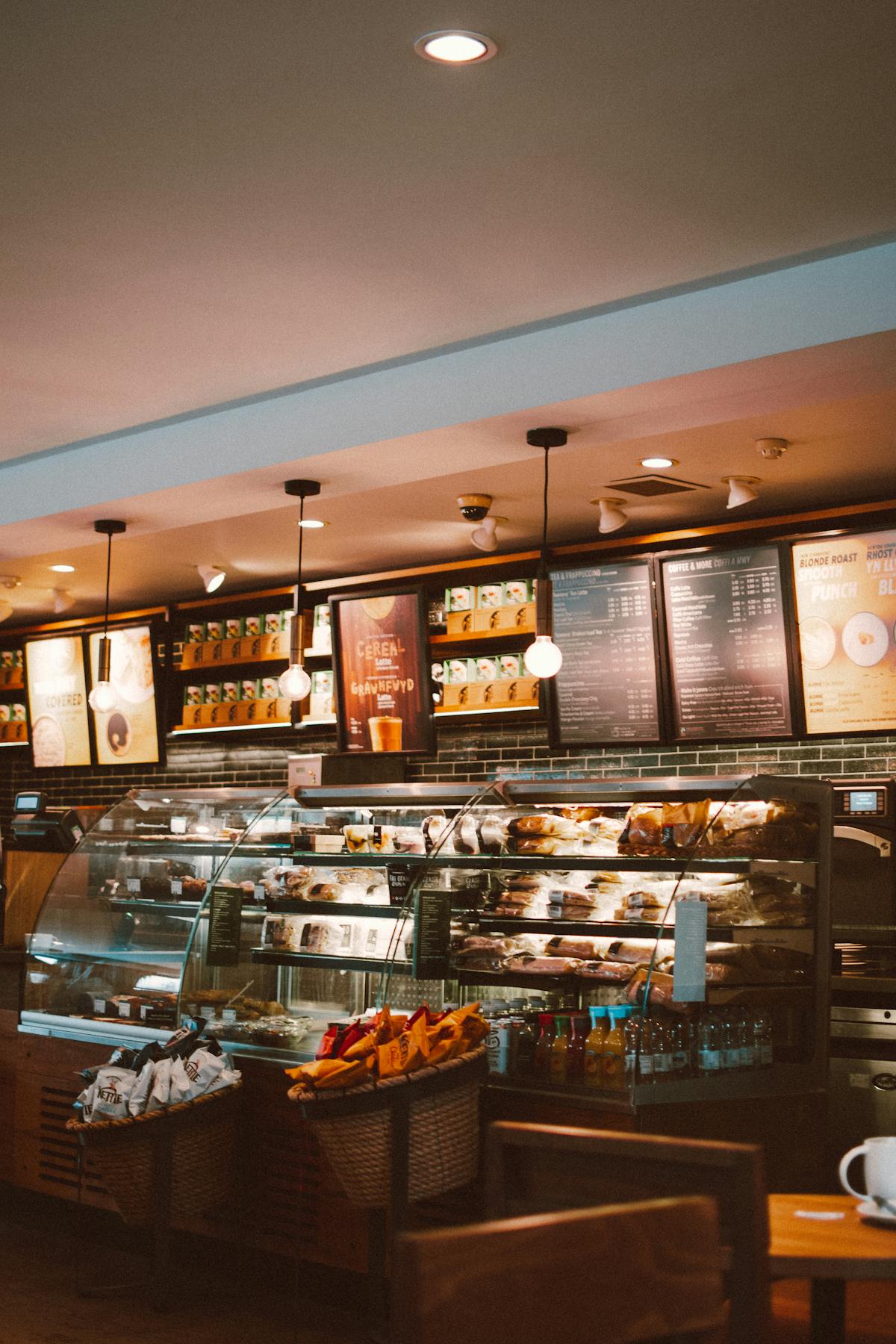
Image: Panera Bread. Alt text: Official Panera Unlimited Sip Club logo, the brand mark for Panera's monthly beverage subscription available to MyPanera members.
The numbers that made the industry sit up
The Sip Club is not a side project. It is a core part of Panera's strategy. Here is what the data shows.
| Metric | Figure | Source |
|---|---|---|
| Subscribers within 18 months | 600,000+ | Restaurant Business Online |
| Share of Panera transactions from Sip Club members | ~25% | Panera Bread / NRN |
| Subscribers who increased food spend | 70% | Let's Talk Loyalty |
| Subscriber retention rate | 90-95% | Let's Talk Loyalty |
| Sip Club members who were new to MyPanera | Over 50% | PYMNTS |
| Total MyPanera registered members | ~60 million | QSR Magazine, Jan 2026 |
The 70% food attach figure matters most. Subscribers did not just drink more. They bought more food. The subscription did not cost Panera money. It made Panera money. A subscriber who has paid for drinks is more likely to add a soup or sandwich. They are not adding up the cost from scratch.
That is the core mechanic in one line: the upfront fee moves customers from price-checking to value-maximising.
The wider research backs this up. McKinsey found top loyalty programs boost revenue from active users by 15 to 25% per year. LoyaltyLion's 2025 research found 85% of consumers say a loyalty program affects their decision to buy again. SellersCommerce data shows a 5% lift in retention can raise profit by 25 to 95%.
The Sip Club delivered all three in one program.
Why a drink subscription is really a data and habit engine
Panera made a clear choice: use the subscription to drive traffic, not to profit from the subscription itself. Each time a member came in to get a drink, Panera captured data. Time of visit. Location. Dwell time. What food they ordered.
With every scan, Panera learned more. Was this a morning visitor or an afternoon one? A soup buyer or a salad fan? A drive-through user or a dine-in guest? That data fed into CRM targeting, personal offers, and menu planning. The subscription was not just a product. It was a data feed.
There is also a strong pull of habit psychology at work. Once a customer pays $14.99 for a month of drinks, they have a reason to pick Panera over a rival. Even on days when the rival might be closer. The subscription answers the daily question: "where should I go?" It does so for 30 days in a row.
Let's Talk Loyalty noted this effect is strong in the US, where people already feel the cost of daily coffee. A flat monthly fee turns that pain into a solved problem. That cuts friction and lifts visit rates.
The habit loop Panera built is simple. Trigger: morning routine. Action: visit Panera for a drink. Reward: free drink plus a food add-on. After two or three weeks, the loop runs on its own. Subscribers stop asking whether to visit. They only ask what to order.
Image: Panera Bread. Alt text: Panera Unlimited Sip Club and MyPanera loyalty programme showing how subscription membership and loyalty rewards work together to drive repeat visits.
The 2026 evolution: Sip Club becomes a loyalty tier
In January 2026, Panera began testing a new loyalty program called MyPanera+. The pilot ran across 216 restaurants in Chicago, Dallas, Denver, Seattle, and Wyoming. This is where the story gets most useful for multi-channel retailers.
QSR Magazine reported that Chief Digital Officer Meenakshi Nagarajan was clear: the Sip Club is now a tier inside the loyalty program, not a stand-alone product. MyPanera+ is open to Sip Club members and to customers who spend over $300 per year. Members at this tier get better rewards. A free You Pick Two on their birthday. More flexible point options. AI-scored offers based on visit frequency and total spend.
This is the natural end point for a subscription that works. Once you have the data and the habit, fold the subscription into a tier structure. The subscription becomes the entry point to the premium tier. The premium tier rewards your best customers at a higher level.
For multi-channel retailers, this gives a clear path. Start with a simple subscription around a high-frequency product. Let it run. Let it build data and routine. Then upgrade it into a tier that treats your most loyal customers differently.
The LoyaltyPass Subscription Habit Framework
We studied the Sip Club across six years of data. The logic breaks down into five steps. We call it the LoyaltyPass Subscription Habit Framework. It works for any multi-channel retailer with a high-frequency product and customers who visit at least once a week.
Step 1: Anchor on a high-frequency, low-cost product
Panera did not build a subscription around food. It built one around drinks. Drinks are cheap, fast, and bought daily. The entry price was low. The value was clear. A customer who visits three times a week for coffee broke even in their first week.
For retailers, the anchor might be free returns, a delivery pass, a weekly snack add-on, or a coffee offer. The product does not need to be profitable on its own. It needs to build a habit.
Step 2: Price for perceived value, not margin
Panera priced the subscription so customers felt the value after just four visits a month. They were not chasing margin on the fee itself. They were buying frequency, data, and the food add-ons that came with it.
The rule: price so the value is obvious fast. If members need ten visits to break even, most will quit before the habit forms. If they break even in three or four visits, the habit locks in and retention follows.
Step 3: use subscription to capture data, not just revenue
Every Sip Club redemption created a data point. Time of visit. Location. Channel. Basket contents. Panera's CRM got richer with each scan. A standard points program would only give a few data points per year. The subscription gave one every two hours.
Retailers should build subscription programs with data as a core goal. What time does this customer visit? What channel do they use? What do they add to their basket when they come in to redeem? That data drives better offers, smarter stock decisions, and more precise targeting.
Step 4: Trigger upsell through habit proximity
The Sip Club worked because it got customers through the door. Once a daily coffee habit formed at Panera, lunch was a short walk to the counter. A birthday reward was already in the app. The upsell was easy because the habit had done the hard work of getting them there.
For retailers, design a subscription that brings customers to a touchpoint where an upsell is easy to see. A subscription that drives weekly in-store visits should surface new items or a loyalty-exclusive offer every time a member redeems. The subscription earns the visit. The in-store experience earns the basket.
Step 5: Evolve subscription into a loyalty tier
Panera's 2026 MyPanera+ pilot shows where a working subscription should go next. Once it has data and engagement, give your best customers a formal status. Customers with status want to keep it. That drives further visits and spend.
For smaller retailers, this does not need complex tech. A simple two-tier structure works. Standard loyalty members on one side, paid subscription members on the other, with clearly different benefits. That is enough to motivate progression and reward your most loyal customers.
What multi-channel retailers can do this week
You do not need Panera's budget or 2,200 locations to use this model. Here is what is doable now.
Find your anchor product. Look at your transaction data. Find the product with the highest purchase frequency and the lowest average order value. That is your subscription anchor. If customers buy it twice a week, a flat monthly fee will build a habit fast.
Run a 90-day free-trial pilot with 200 customers. Panera used free trials throughout its history. Three free months, reduced intro pricing, seasonal windows. Free trials lower the barrier to entry and give you real data before a full rollout.
Track food attach from day one. Set up analytics to measure what subscription members buy beyond their included product. If that number climbs above 60 or 70%, the subscription is working as a traffic driver, not just a discount.
Use push notifications, not email. Panera's digital program uses push notifications to reach subscribers at the right moment. Near a store. When a deal goes live. When a reward is about to expire. Push notifications achieve open rates of around 90%. Email gets around 20%. If you are managing loyalty on paper cards or a static email list, most of your retention value is being left on the table.
Start building your data layer now. A subscription without data is just a discount. Build the program so every redemption creates a timestamped, channel-tagged record. That data is what makes the Sip Club more than a punch card. Any retailer who sets up a digital program correctly can have it.
If you want to launch a digital wallet-based loyalty program that captures this data without custom development, that is exactly what we built LoyaltyPass to do. Apple Wallet and Google Wallet passes with real-time analytics, push notifications, and segmentation tools in one dashboard.