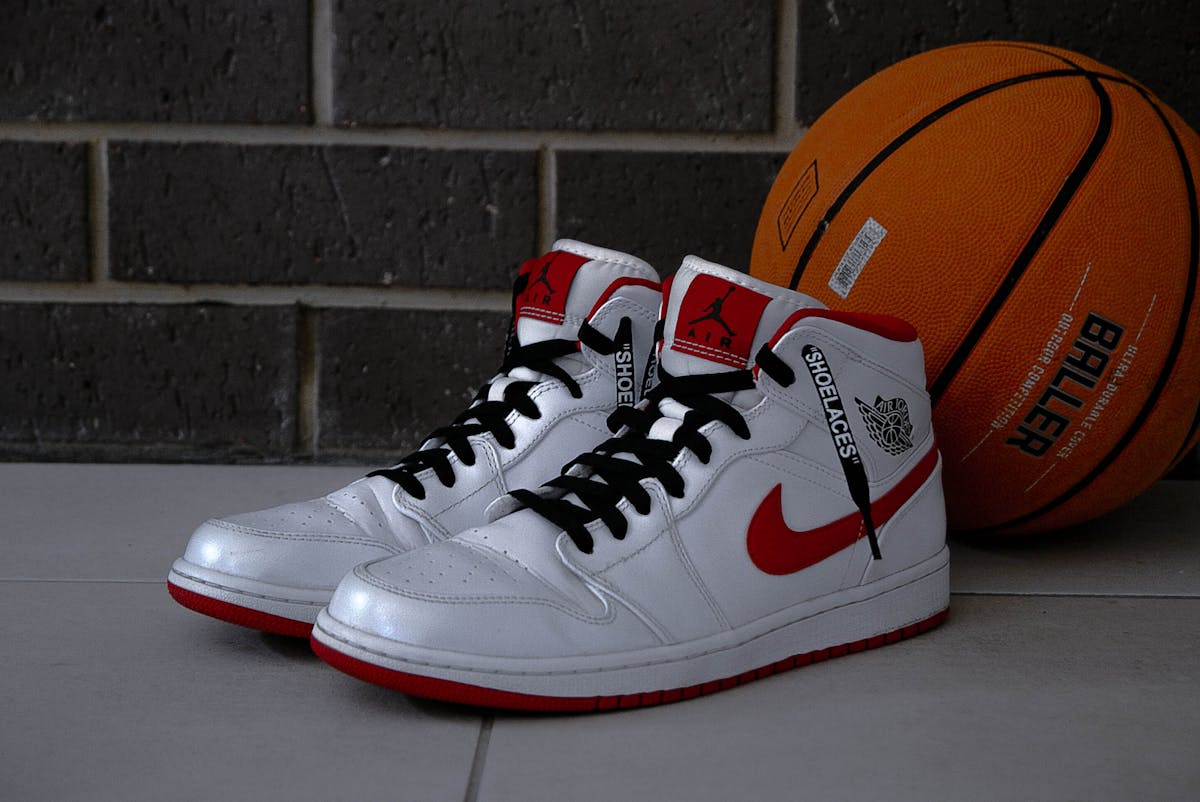
Rebel Active is the loyalty programme for Rebel Sport, Australia's largest specialist sporting goods retailer with 160-plus stores. Members earn points on purchases and earn bonus points for logging workouts via connected fitness apps. The earn-for-activity mechanic ties Rebel's loyalty directly to the active lifestyle it sells, increasing engagement between purchase occasions.
Rebel Sport's decision to reward activity as well as purchases is the most interesting design choice in Australian retail loyalty. It answers a specific problem that all sporting goods retailers face: customers buy running shoes once every six to twelve months. Without an activity earn component, the loyalty programme sits dormant between purchases. The activity mechanic keeps the programme alive on the days when the customer is using their Rebel-bought gear.
What is Rebel Doing?
Rebel Active operates on two earn tracks simultaneously.
Track one: purchase earn. Members earn points per dollar spent on qualifying purchases at Rebel Sport stores and online. This is the standard retail loyalty architecture -- spend more, earn more, redeem for future discounts.
Track two: activity earn. Members who connect Rebel Active to fitness apps (such as Strava, Apple Health, or Garmin Connect, depending on current integrations) earn bonus points for logged workouts. A run, a gym session, a bike ride -- all potentially qualify for bonus points even though no purchase occurred.
The two tracks serve different purposes. The purchase track earns points at the moments of highest commercial value (sale occasions). The activity track earns points on the most frequent occasions (workout days). The combination means a member who runs four times a week and buys new shoes every six months is interacting with the programme almost daily, even though they only make a purchase twice a year.
That interaction frequency is the competitive advantage. In the absence of the activity track, a sporting goods loyalty programme would have an average interaction frequency of perhaps once a month (a purchase, a browse, a sale). With the activity track, the frequency can be daily. Daily interaction means the programme stays top-of-mind. When it is time to buy new shoes, Rebel is the brand the member has been engaging with for months.
Why does it work?
The behavioural lever is identity (athletic self-image) combined with progress and cross-platform engagement.
Identity is the deepest lever. Rebel Sport's best customers do not think of themselves primarily as shoppers -- they think of themselves as runners, gym-goers, cyclists, AFL players, or surfers who happen to need gear. A loyalty programme that rewards their athletic identity (you earned points for your Tuesday morning run) is telling them something different from a programme that rewards their shopping (you earned points for spending $200).
The first message says: "We see you as an athlete. The second message says: "We see you as a customer." In a sporting goods context, the first message creates stronger loyalty because it aligns with the customer's self-concept.
Progress is the secondary lever. Members can watch their activity points accumulate alongside their purchase points. The combined total moves them toward rewards more quickly than purchase-only earning. Seeing the progress accelerate creates additional motivation to log activities consistently.
The cross-platform integration (syncing with Strava, Apple Health, or similar) adds a practical convenience: members do not need to do anything additional to earn activity points; they log their workouts as usual in their preferred fitness app, and the points appear automatically. Zero-friction activity earn is the key -- if logging a workout required a separate action, most members would not bother.
The 3-Tier Reality Check
The three loyalty format tiers have specific implications for a sporting goods or fitness business.
Paper stamp cards cannot run an activity-based earn mechanic. The earn-for-workout component requires digital infrastructure: an integration with a fitness tracking platform or a mechanism for staff to manually award activity stamps. Paper cannot do either reliably. For a sporting goods retailer or gym running a paper programme, the activity mechanic is inaccessible.
Branded loyalty apps are how Rebel runs its programme. At 160-plus locations, Rebel has the market presence to sustain consistent app downloads. The ~83% uninstall rate applies -- but Rebel's fitness app integration (connecting Rebel Active to Strava or Apple Health) adds a utility reason for members to keep the app installed. Integration with a fitness platform is genuinely useful, which reduces uninstall rates relative to a purchase-only loyalty app.
Wallet passes on Apple Wallet and Google Wallet can support non-purchase earn via staff-side stamp awards or webhook integrations. A member who runs 50km this month earns a bonus stamp via a staff-side award or via a connected API event from Apple Health. The wallet pass displays the accumulated balance and updates in real time. For a 1-location sporting goods shop or gym, this is the format that enables activity-based loyalty without building a custom app. LoyaltyPass supports multi-source stamp events, including non-purchase triggers.
What can a 1-Location Australian Sports Business Copy on Monday?
Rebel Active's activity-based mechanic has three directly applicable lessons.
1. Non-purchase earn keeps members engaged between visits. Even a single non-purchase earn option doubles active-member rate compared to a purchase-only programme. The simplest version: award a bonus stamp when a member shows their workout log at the counter (Strava achievement, Apple Fitness summary, gym check-in record). No integration required -- staff verify manually and award the stamp. The mechanic runs from day one.
2. Activity-linked loyalty is most natural for sports, fitness, outdoor, and health businesses. If your brand promise is an active life -- a sporting goods shop, a running store, a surf shop, a gym, a yoga studio, a health food store -- your loyalty programme should reflect that promise. A programme that rewards only purchase behaviour is inconsistent with a brand built on activity. A programme that rewards both purchase and activity tells a coherent story: we are invested in your athletic life, not just your wallet.
3. Connect to the platforms your customers already use. Rebel's activity integration works because runners already use Strava, Apple Health, or Garmin. An independent running store or triathlon gear shop can reward Strava PBs, parkrun finishes, or gym attendance recorded on Apple Health. Members do not need to change their fitness tracking behaviour -- they just need to show the record at your counter and earn a stamp. That zero-friction earn is the key.
Rebel Active vs. Australian Sports Retail Loyalty
| Feature | Rebel Active | Decathlon AU (global) | Nike Run Club | Independent Sports Shop Wallet Pass |
|---|---|---|---|---|
| Purchase earn | Yes | Yes | No | Yes |
| Activity earn | Yes | Limited | Yes (activity-focused) | Configurable |
| Redemption | Discounts | Member pricing | Exclusive experiences | Configurable |
| Australian market | Yes | Limited stores | Digital only | Yes |
| Brand identity | Broad sports | Budget-accessible sport | Premium performance | Your brand |
For context on global sports loyalty, the adidas adiClub loyalty program and Nike loyalty program articles cover the global activity-earn models that Rebel's approach draws from. The customer retention ideas article covers the research on non-purchase engagement mechanics.
The Sports Retail Frequency Problem
The core commercial problem for any sporting goods loyalty programme is purchase frequency. A running shoe purchase happens once every six to twelve months. A gym bag purchase happens once a year. A bicycle accessory purchase is occasional. These are not daily or weekly purchase occasions.
A loyalty programme that only earns on purchases runs at the same low frequency. Members who buy twice a year interact with the programme twice a year. The programme is not building habit; it is recording infrequent transactions.
Rebel's activity earn solves this frequency problem directly. A member who runs four times a week interacts with the programme four times a week, regardless of purchase frequency. The programme becomes part of the athletic routine rather than a transactional record-keeping system. When the purchase occasion arrives (new shoes needed), the member's relationship with Rebel is current and active -- not six months dormant.
An independent running store can replicate this at minimal cost. Announce to existing customers: "Earn a bonus stamp for every parkrun you complete this month. Show us your result." Cost: zero, beyond the stamps awarded. Benefit: a reason for members to engage with the programme every weekend during parkrun season. The programme becomes part of the running community, not just a shopping record.
The Gym Parallel
Rebel's activity earn mechanic is most directly applicable to gyms and fitness studios, which face the same frequency problem from the other direction: high visit frequency but low-value individual transactions.
A gym member visits 3 times a week. That is 150 visits a year. But each visit might involve a small spend -- a protein bar, a drink, a class upgrade -- rather than a large purchase. A loyalty programme that earns on visit frequency (rather than just on purchase value) captures the high-frequency behaviour and converts it into programme engagement.
The gym loyalty programme article covers this in detail. The Rebel Active model provides a useful retail parallel: the principle of earning on activity, not just on spend, is the same whether you are a sporting goods retailer or a gym.
Starting with Activity earn
If you run a sporting goods shop, a gym, a yoga studio, a running store, or any fitness-adjacent business in Australia, the activity earn mechanic is your most accessible loyalty differentiator. It costs nothing to implement in its simplest form (staff-side manual bonus stamps for demonstrated activity) and creates a programme that feels genuinely different from a standard purchase-discount scheme.
Start with one activity milestone: a bonus stamp for every local parkrun completed, or for every class attended at your studio this month, or for completing a couch-to-5k programme. That one non-purchase earn option converts your programme from a shopping record into an athletic community tool.
LoyaltyPass provides the wallet-pass infrastructure with staff-side stamp award capability and API integration for automated activity events. The activity milestone is yours to define; the programme infrastructure is ready.