The short answer
Members have said plainly what they want: to spend points at checkout the way they spend money, in the same transaction, mixed with cash if the balance is short. Research from Engage People and Loyalty360, released on 10 November 2026, puts a number on it - 90% of members said they would use points more often if checkout use were seamless. Most programs cannot offer that today because points were never built as a way to pay; they were built as a promise, settled later and somewhere else. Fixing it means points behaving like a payment method inside your checkout, terms readable by people and shopping agents, and the clever parts staying in the background.
What the research actually says
The report is called "Making Rewards More Valuable to Members". It was fielded in July 2026. It covers more than 1,000 people in the United States. All of them had redeemed points, miles, or cash back in the previous year. Three findings matter for anyone running a program at scale.
First, everyday use beats the big prize. 53% said everyday savings - groceries, fuel, restaurants - are the most valuable kind of reward, and only 13% put larger rewards such as travel first. Among members with a fixed preference, instant redemption beat saving up, 29% to 23%. Nearly half, 47%, said it depends on the situation, which argues for letting members do both in one transaction.
Second, the frustration is friction, not generosity. 61% ranked convenience and simplicity among their top expectations. The most common frustration was too many restrictions or exclusions, at 46%, followed by rewards that are difficult to redeem, at 34%. Members are not mainly asking for more points; they are asking for the points they hold to be usable, with no forgotten login and no member of staff calling a supervisor.
Third, portability is the direction of travel. 79% want points to work beyond the brand that issued them, and 90% said cross-merchant pay with points would change their behaviour in some way. Your program does not have to join a network tomorrow - members now judge your redemption against the easiest one they have used anywhere.
Read the numbers honestly before you act on them
Three limits belong in any board discussion of this research. The sample is people who already redeem, so it says nothing about members who earn and never redeem - for many programs, that silent group is the bigger problem. The research is American, so treat the percentages as directional if your members are mostly elsewhere. And it is vendor research: Engage People sells pay-with-points capability, and its questions favour its own conclusion. None of this makes the findings useless, because the pattern matches what operators see in their support queues. It does mean you should check it against your own redemption rate, breakage, and complaints first.
Why redemption at checkout fails in most programs
Demand this clear should have been met years ago. Four early decisions, each sensible at the time, now stand in the way.
Points were given a separate door
In most programs, earning happens in the checkout and spending happens somewhere else: a rewards catalogue, a partner site, a voucher code. That separation kept the till simple, and taught members that points are homework, not money. Every extra step loses people. Community threads tell the small version: a member at a counter with a valid reward on their phone, and neither the member nor the staff can apply it, so the reward expires unused. At mid or large scale, that story is a support cost, a training cost, and a quiet loss of belief in the program.
The checkout was never given a way to take points
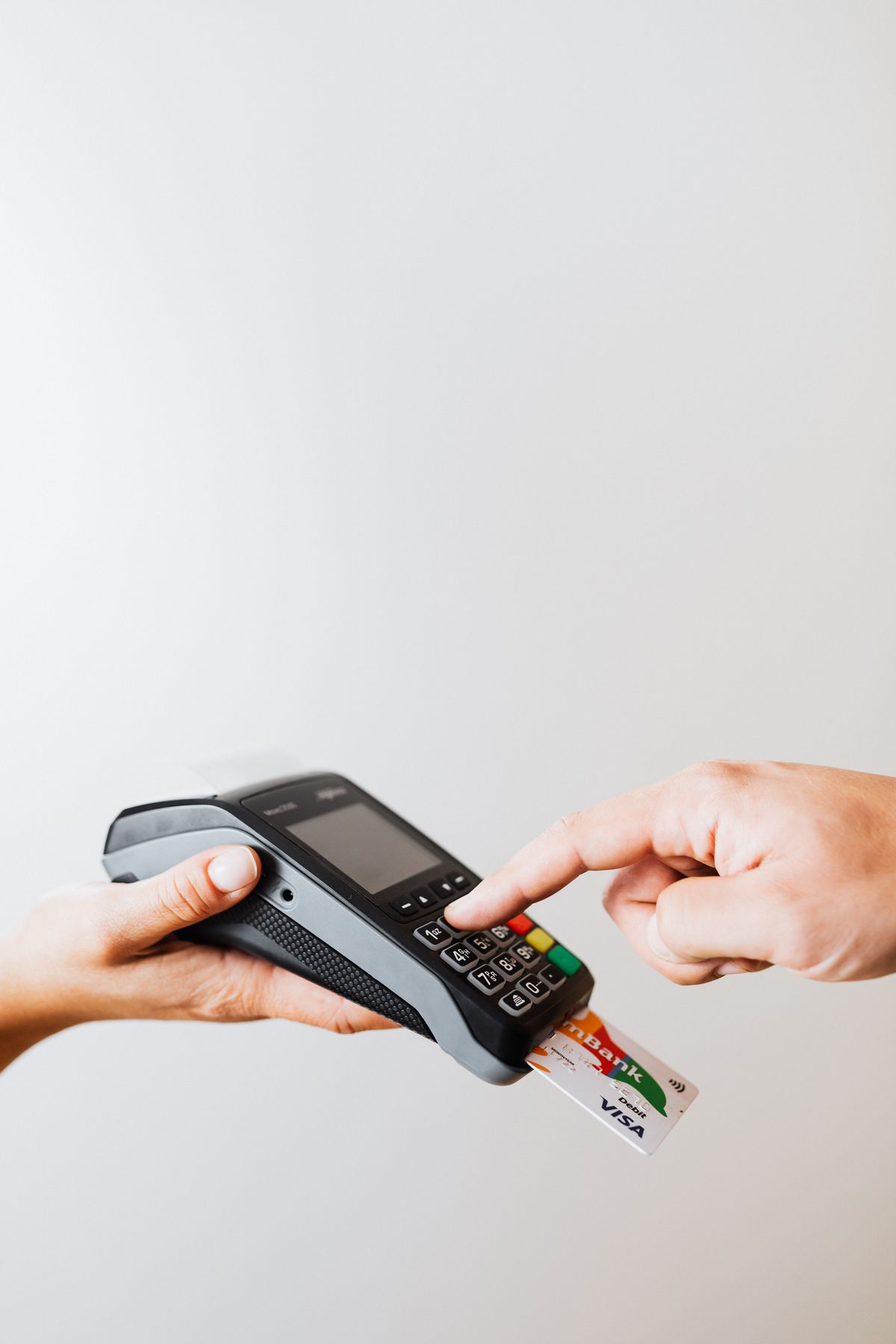
Paying with points asks a lot of a checkout. It must read the balance in real time and hold the points while payment completes. It must take exactly the amount the member chose. After a refund, it must return those points cleanly. Many checkouts cannot do any of this, because their loyalty link is a reporting feed, not part of the payment, and points post overnight in a batch. A system that learns about a purchase tomorrow cannot help pay for it today. This is the unglamorous centre of the topic, and no design workshop will fix it: the link between loyalty software and checkout has to run live, in both directions, inside the transaction.
Finance is protecting a liability
Unredeemed points sit on the balance sheet as money owed to members, and easier redemption means that liability gets used faster and valued more honestly. That is a real conversation. Problems start when it quietly shapes the design instead: thresholds just above the average balance, short expiry windows, exclusions on the products members actually buy. Members read those choices accurately - restrictions are their biggest frustration in the research, at 46%. So settle the money question openly and first, including what breakage the business has relied on. Software built on an unsettled answer gets reined in within a year.
Split payment is the hard case
Most members do not want to pay for everything in points; they want points to cover part of the bill, with the rest on a card. Blended payment appeals to members, though it decides few purchases alone, and it is the hardest case to build: two tenders, one receipt, tax worked out correctly, and a refund that returns each part to the right place. Programs offering pay with points only for the full amount have usually stalled here. Scope this work around split payment from the start - it is what members mean by seamless.
Members want help from AI. They do not want to talk about AI
The research also warns teams planning to lead a relaunch with artificial intelligence. 82% of members want at least one AI-trained capability, and their list is specific and modest: an alert before points lose value, a recommendation based on what they actually buy, and points applied automatically at checkout when that makes sense. Yet only 11% put AI in their top three expectations, the lowest score of any item asked about. Refusal rises steadily with age, from 8.8% among members aged 18 to 24 to nearly 40% among members aged 65 and older.
Read together, these figures give a clear instruction: members want the outcome a well-trained system can provide - nothing wasted, nothing missed, no effort at the till - and they do not want the system itself as the headline. So build the expiry alert and the sensible default at checkout, let members switch the automatic parts off, and describe each feature by what it does, in plain words. A relaunch that leads with AI asks members to trust the part they care about least.
The next checkout your member uses may not be theirs
Your program now has a second reader, and it is not a person. Shopping agents research products and complete purchases for their users: Meta's Muse agent launched in the United States in September 2026, industry coverage in November reported it nearing a UK launch, and Meta itself has announced no UK date. Antavo's summary of the Muse coverage stated the loyalty detail plainly. An agent can only weigh what it can read. Member prices behind a login drop out of the comparison. Benefits buried in PDF terms drop out too. Your member relationship never enters its decision.
That should worry any program whose value is mostly invisible in public: a best member price that appears only after sign-in, terms in a PDF written for lawyers, the value of a point stated nowhere in plain figures. To an agent, that program does not exist. The remedy is publishing work, done properly.
- Put your benefits on a public page, in clear structured language: what the member gets, what it is worth, who qualifies, and what is excluded.
- State the value of a point in money, consistently everywhere - an agent comparing two offers needs a number, not a slogan.
- Keep terms short and in the open, because a hidden condition makes your offer look worse than a simpler rival offer.
- Plan how a member is identified at an agent-run checkout, so points are still earned and spent there; identification that only works in your own checkout means agent purchases quietly stop earning.
- Decide what an agent may do with a member's points, and require the member's approval before a balance is spent. Write that consent rule before the first agent transaction, not after the first complaint.
None of this depends on picking the winning agent: benefits readable to a machine comparing offers, and to a person, also help search and answer engines describe your program correctly.
A practical build sequence
For a mid or large organisation, this work has a natural order. Each step can be checked before the next begins.
- Settle the money first: what a point is worth at checkout, how split payment affects the liability, and what change in breakage the business accepts. Write it all down.
- Make balances live. Replace batch posting with a real-time balance the checkout can read and trust; nothing above this step works while points post hours late.
- Build points as a tender. Add points to the till and the online checkout as a payment method, with split payment, refunds that return points correctly, and receipts that show both parts clearly.
- Train the moment, not just the system. A new starter should complete a redemption on their second day, unaided, so test it with front-line staff in the busiest hour - a demo room proves nothing.
- Add the background help: expiry alerts first, then a sensible offer based on what the member buys, then optional automatic application of points at checkout, each with an easy opt-out and a plain name.
- Publish the program so it can be read. Rewrite the public benefits page in structured, plain language, state the value of a point on it, and add the identification and consent rules for agent purchases.
- Measure redemption, not enrolment. The numbers that matter are the share of members who redeem, how often split payment is used, support contacts about redemption, and the change in the points liability. Enrolment growth with flat redemption is the old program with new paint.
Failure modes worth naming in advance
Launching checkout redemption before balances are live comes first: a member told at the till that their points are not showing will not trust the feature again. A threshold above the average balance protects the liability and makes the feature unusable for most members. Changing expiry rules without warning does lasting damage, because members do not forgive a shorter window announced after they saved under the old one. Leading the relaunch with AI buries the real news, since members asked to be able to pay. And treating agents as a future problem loses comparisons today, in every check an agent performs on benefits only a logged-in human can read.
Where to start
Start where the member stands: if they cannot spend points in the transaction, mixed with cash, the rest of the roadmap can wait. LoyaltyPass is a studio that designs and builds custom loyalty software for mid and large organisations, including the live balance and the checkout connection above. Talk to us about what "done" looks like for your program, and we will tell you plainly what needs rebuilding and what you already have.
Sources
- Engage People and Loyalty360, Making Rewards More Valuable to Members. Released 10 November 2026. Fielded July 2026. Over 1,000 US consumers who had redeemed points, miles, or cash back in the past year.
- Antavo, Loyalty News: British Airways Holidays Avios and More, 13 November 2026. Covers Meta's Muse shopping agent and readable member benefits.