
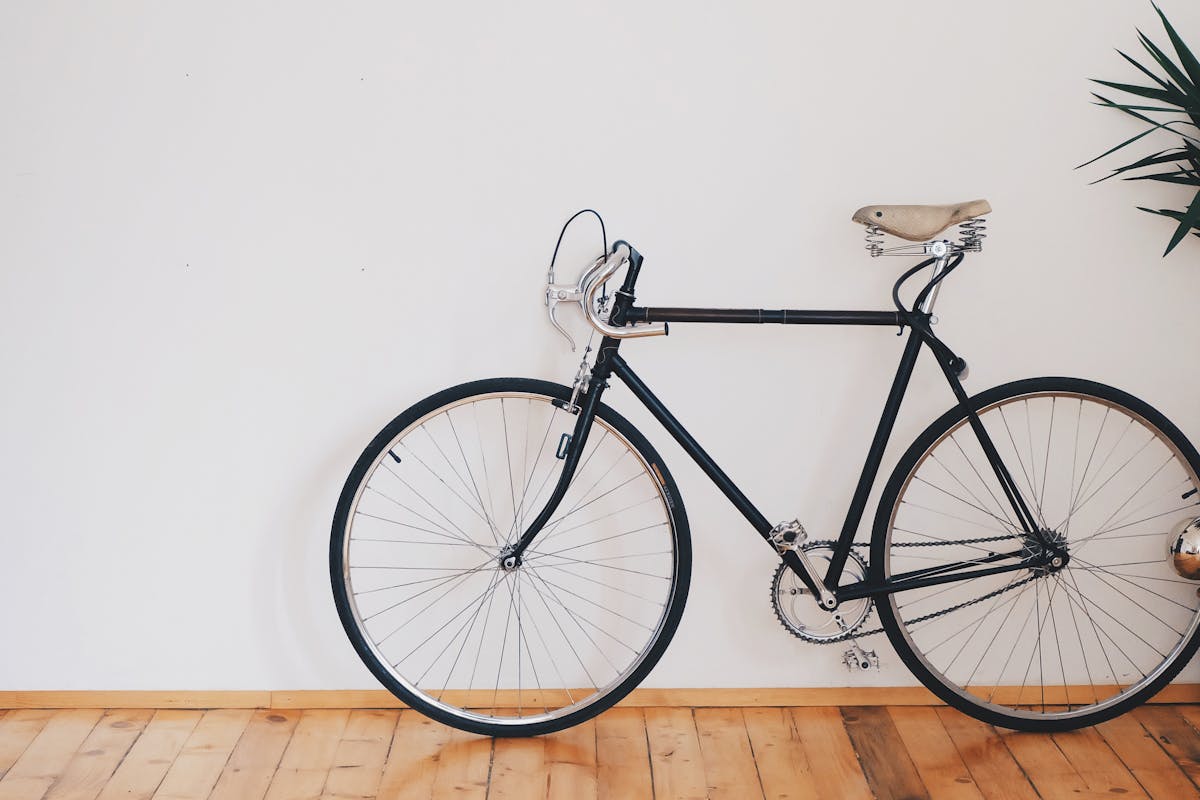
UK independent bike shops compete on expertise, fitting, and workshop quality. A loyalty programme rewards customers who choose the LBS over Halfords and online.
The UK independent bike shop (LBS) market is under sustained pressure from two directions. Halfords operates around 400 UK stores with a motoring club loyalty scheme and mass-market pricing on bikes and accessories. Evans Cycles, now online-focused, competes on range and next-day delivery. Meanwhile, Wiggle, Chain Reaction Cycles, and Amazon offer tyres, inner tubes, and clothing at prices that are difficult to match with independent retail margins.
The independent bike shop's competitive advantage is expertise. Proper bike fitting for Specialized, Trek, Cannondale, and premium frame builders. Workshop mechanics who build relationships with regulars and know their bikes well. Staff who actually ride the roads and trails they are recommending kit for. That expertise is worth paying for, but customers need a financial reason to stay loyal when the next Amazon delivery is three clicks away. A digital loyalty programme, starting from GBP 25/month with LoyaltyPass, provides that reason.
The UK independent bike shop market
| Factor | Detail |
|---|---|
| Halfords UK stores | Approximately 400 locations (Halfords, 2025) |
| Main online competitors | Evans Cycles, Wiggle, Chain Reaction Cycles, Amazon |
| Premium brand specialists | Specialized, Trek, Cannondale, Pinarello, Brompton |
| Cycle to Work scheme | Government scheme driving new bike sales to commuters |
| UK cycling events | Sportives, RideLondon, Velothon, local club rides |
The Cycle to Work scheme is a meaningful driver of new bike sales at UK independent shops. Customers who use the scheme to buy a GBP 800 to GBP 2,000 bike through their employer's tax savings are often first-time serious cyclists. Converting those initial bike buyers into long-term workshop and accessories customers is where a loyalty programme pays for itself.
Why loyalty works for UK independent bike shops
The LBS customer relationship has a natural rhythm. A new bike purchase is followed by small adjustments and accessories purchases in the first few weeks. Then a minor service after three months. A more significant service before the spring season. Accessories, clothing, and consumables throughout the year. A loyalty programme running across all of these interactions creates a visible accumulation of value that makes the customer less likely to go elsewhere for any individual purchase.
The workshop relationship is particularly important. A customer who trusts a specific mechanic to service their GBP 2,000 road bike or their child's first decent mountain bike is not going to take it to Halfords, regardless of whether Halfords is cheaper. The question is whether they come back for tubes and bar tape and cycling food between services, or whether those purchases drift to Amazon.
"The LBS mechanic who has serviced a customer's bike twice already knows the cable routing, knows the brakes are slightly sticky on the left, and will spot the crack in the saddle clamp before it becomes a problem on a 70-mile sportive. That knowledge is worth paying for. A loyalty programme makes the financial case for paying for it explicit."
The Strava-connected UK cycling community also provides a referral dynamic that independent shops can tap. Club rides, local sportive groups, and cycling club WhatsApp chats are powerful word-of-mouth channels. A loyalty member who mentions a good experience at a local shop to their cycling club group is worth far more than any paid local advertising.
Loyalty mechanics for UK cycling stores
Workshop stamp card: every 5th service discounted
The workshop is the LBS's most defensible service. Halfords offers basic servicing; an independent mechanic offers expertise, relationship, and attention to detail. A stamp card that rewards the workshop relationship, rather than just retail purchases, reinforces the right behaviour: come back here for your services, not just for convenience items.
A practical structure: five workshop service stamps earns 50% off the next service, or a free labour-only minor service. Customers who bring their bike in for a full service (typically GBP 60-120 at an independent shop) earn one stamp. Five services, over 18 months to two years for a typical weekend cyclist, earns a meaningful discount. The threshold is achievable and the reward is significant enough to feel worthwhile.
Points per spend on accessories and clothing
Accessories and clothing purchases are more frequent than services and cover a wide price range: GBP 3 for inner tubes, GBP 15 for bar tape, GBP 40 for bib shorts, GBP 80 for a quality helmet. A points-per-spend model rewards all of these proportionally.
A clean structure for UK bike shops: earn 1 point per GBP 1 spent on accessories and clothing, redeem 100 points for GBP 10 off. That is a 10% effective reward rate on accessories, making your shop competitive with the points-back schemes offered by online retailers, without the price disadvantage on individual items.
Seasonal push notifications
The UK cycling calendar has four natural push notification windows:
- Spring service reminders (March to April): "The cycling season is starting. Bring your bike in for a spring service before your first sportive. Loyalty members get priority booking this week."
- Bike to Work Week (June): "Bike to Work Week is coming up. If you're thinking about your Cycle to Work order, we're an approved provider. Come in and get fitted properly."
- Autumn tyre-change reminders (September): "Switching to winter tyres? We have Schwalbe Marathon Plus, Continental Gatorskin, and Pirelli Cinturato Velo in stock. Loyalty members get next-day fitting."
- Christmas cycling gifts (November): "Cycling gifts in stock from GBP 12: saddle bags, cycling socks, Garmin accessories, and premium tools. Loyalty members get early access this weekend before we open to general stock."
Each of these notifications reaches loyalty members at a moment when they are already thinking about cycling. The push is relevant, not interruptive, which is why wallet pass notifications for cycling shops tend to have particularly high click-through rates among enthusiast audiences.
The UK independent bike shop has a genuine expertise advantage over Halfords and the major online retailers. The challenge is making that advantage financially explicit for customers who are making price comparisons on their phone while standing in your shop. A loyalty programme that accumulates visible value on every visit, every service, every tube and gel purchase, is the financial counterargument to the Amazon price check. Start your free trial and have your workshop stamp card live before the spring season.
Frequently Asked Questions
What is the best loyalty programme for a UK bike shop?
A workshop stamp card (every 5th service discounted) combined with a points-per-spend layer for accessories and clothing. The stamp card rewards the workshop relationship; the points layer rewards frequent smaller purchases. Run both in parallel for year-round programme activity.
How do independent UK cycling stores compete with Halfords and Evans Cycles?
On expertise: proper bike fitting, knowledgeable staff who ride, and workshop mechanics who build relationships with regulars. A loyalty programme gives customers a financial reason to stay loyal to the LBS for accessories and consumables, not just for services where the expertise advantage is most obvious.
How much does a cycling store loyalty programme cost in the UK?
From GBP 25/month with LoyaltyPass. No app download required for customers. No POS integration required. Staff scan the customer's wallet card using the LoyaltyPass merchant app on any smartphone.
What push notifications work best for UK bike shop seasonal campaigns?
Spring service reminders (March to April), Bike to Work Week (June), autumn tyre-change reminders (September), and Christmas gift launches (November). Each notification is timed to a moment when customers are already thinking about cycling.
Should a UK bike shop use a stamp card or points for loyalty?
Use both in parallel. A workshop stamp card for the periodic high-value service relationship. A points-per-spend layer for frequent smaller purchases (tubes, clothing, accessories). Together they keep the programme active year-round.
Related reading:


