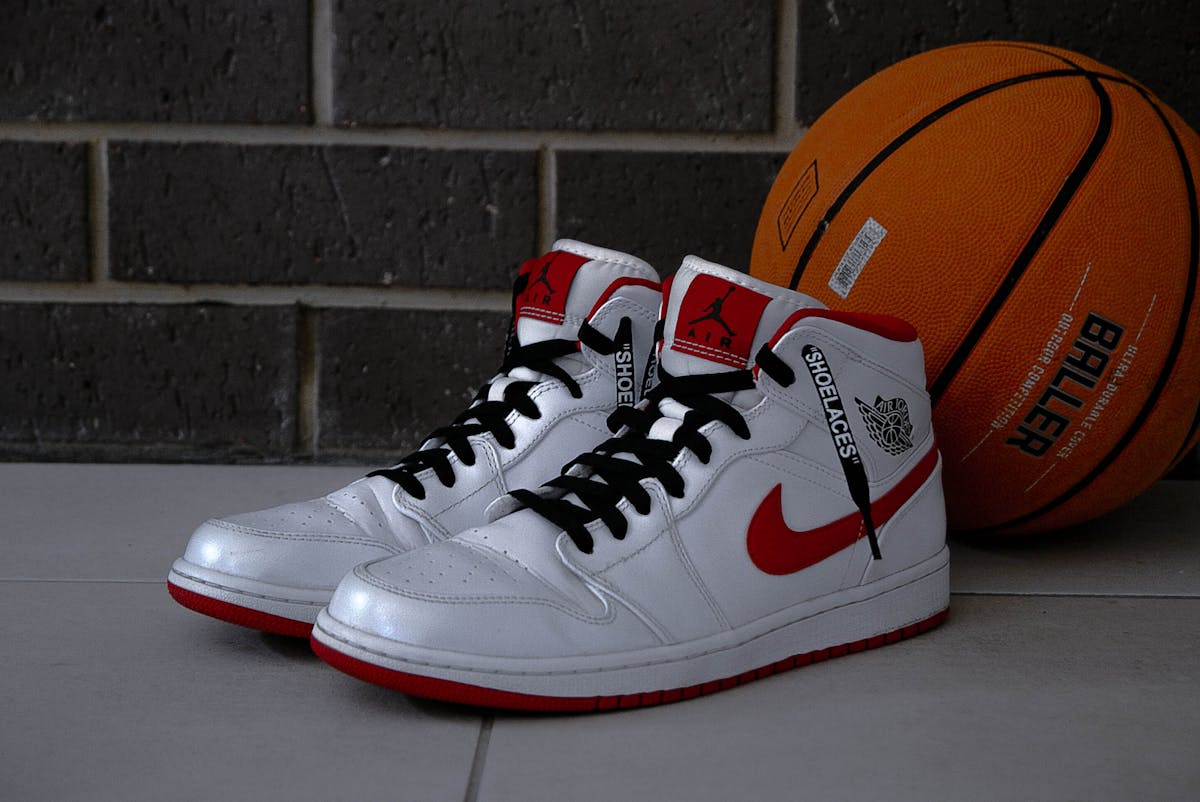
DSW VIP Rewards is the loyalty program for Designer Shoe Warehouse, operating 500-plus US stores. Members progress through three tiers (Club, Gold, Elite) earning points per dollar, with the member's tier status visible to staff on QR code scan at checkout. The checkout display enables personalized service -- Gold and Elite members receive different greetings and treatment from staff, making tier status tangible and experiential at the point of purchase.
This article breaks down how DSW VIP Rewards works, why tier visibility at checkout creates the premium experience most retailers talk about but rarely deliver, and what any fashion retailer or footwear business can copy this week.
What DSW is actually doing
DSW VIP Rewards is a points-on-purchases program at its foundation. Members earn points per dollar across all qualifying purchases, and those points convert to reward certificates (dollar-off vouchers) once thresholds are reached. The tier structure determines earn rates and benefit levels.
The distinctive feature is not the tier structure itself -- most retail loyalty programs have tiers. The distinctive feature is that tier status is visible at the point of service.
When a DSW member scans their loyalty card at checkout, the register system displays the member's tier alongside their name and point balance. The cashier sees "Sarah Chen -- Gold Elite -- 1,840 points" before the transaction begins. That display is the beginning of a service differentiation that most retailers never operationalize.
At Club tier (entry level), the transaction is standard. At Gold and Elite tiers, a well-run DSW store uses the checkout display as the cue for differentiated treatment. Elite members with the annual free shipping perk are reminded of it if they mention shipping. Gold members are told their current point balance toward the next reward certificate. Elite members in-store might be proactively offered assistance with finding alternate sizes or styles -- the signal at checkout tells the staff member this is a high-value customer worth the extra service time.
Most loyalty programs with tiers fail to complete this loop. The tiers exist; the perks are described; but the point of service does not change based on tier status. A Gold member at most retailers receives the same checkout experience as a Club member -- the tier exists on paper but is invisible in practice. DSW's checkout display closes that gap, at least in stores with trained staff.
Why tier-visible checkout is the cheapest premium experience
The premium retail experience -- the kind associated with Sephora's Beauty Insiders or Nordstrom's service reputation -- is typically assumed to cost significant staff training investment and to require a specific type of store environment. This assumption is wrong for the most important component of premium service: personalization.
Personalized service at the point of purchase requires three things. First, the information about who the customer is (tier, history, preferences). Second, the cue to act on that information (the checkout display). Third, a brief protocol for what to do differently (a sentence or two of acknowledgment that reflects the tier).
DSW's checkout-visible tier display provides all three. The information (tier and balance) is displayed automatically. The cue is the display itself. The protocol can be as simple as: "I see you're a Gold member -- you're 200 points away from your next $10 reward." That single sentence cost nothing to deliver and demonstrates that the business knows the customer has been shopping there regularly.
For comparison, the alternative is asking staff to remember which customers are high-tier members. That reliance on staff memory produces inconsistent service -- the right result only when the member happens to be served by a staff member who knows them. A checkout-visible display makes the personalization consistent across every transaction, regardless of which staff member is at the register.
Paper cards vs. apps vs. wallet passes for tier-visible service
Paper loyalty cards cannot deliver checkout-visible tier status in any meaningful way. The card can be printed with "Gold Member" text, but the staff member has no way to verify that status without a separate system lookup. Under checkout queue pressure, the lookup is skipped. The tier exists on the card; the service differentiation does not happen.
Branded apps can deliver the tier information at checkout if the customer has the app open. The 83% uninstall rate within 30 days means this only works for the 17% of customers who keep the app. For a loyalty program whose premium feature is tier-visible checkout service, this is a major failure mode.
A wallet pass on Apple Wallet and Google Wallet delivers tier status at every checkout scan. The pass is not deleted between visits. The member opens their wallet, the pass is there, and the QR code scan returns the tier display to the staff member's screen. The service differentiation is operationally consistent because the data is always accessible.
Push notifications add a layer that the checkout display alone cannot provide. An Elite member who has not visited in six weeks receives: "You're Elite -- and your next quarterly reward certificate is loading. Come in before [date] to redeem it." Push notification open rates on wallet passes run approximately 90%. The message reminds the member of their tier status and gives them a specific, time-limited reason to return.
The three SMB takeaways from DSW VIP Rewards
1. Make tier status visible to staff at checkout
Whatever system you use -- a wallet pass scanner, a POS integration, a tablet with a member lookup -- the staff member should know the customer's tier before the transaction begins, not after. The checkout display is the operational infrastructure for every tier benefit that depends on human delivery.
Set a brief protocol for each tier. Club tier: standard transaction. Return-customer tier: "Thanks for coming back -- you're [X] stamps away from [reward]." Top tier: address by name, mention current reward availability, offer assistance proactively. The protocol does not need to be elaborate. It needs to happen consistently.
2. Staff training on tier response is half the program
A tier system without staff training to respond to tier signals is a points program with extra steps. DSW's checkout display delivers the information; the staff response delivers the experience. If the cashier sees "Elite Member" on the screen and says nothing different from what they say to every other customer, the Elite tier provides financial perks but no service differentiation. The financial perks alone will not drive the behavior change that status-based loyalty is supposed to create.
Quarterly staff training on tier response is a 15-minute investment. Show staff the checkout display. Explain what each tier means. Demonstrate the two or three sentences appropriate for each tier. Observe and reinforce for two weeks until the behavior is consistent. That process is the entire staff-training component of a tier-visible loyalty program.
3. Make the Elite tier aspirational and genuinely different
DSW Elite members receive annual free shipping and quarterly reward certificates. Those perks are specific, quantifiable, and consistently delivered. "Elite" membership means something tangible.
A fashion boutique's Elite tier can be similarly concrete: annual free alterations on one garment, a quarterly private-preview appointment, first access to new collections. The Elite perks do not need to be expensive. They need to be real. If the Elite tier benefits are vague ("enhanced service," "priority attention"), members will not aspire to reach it. If the benefits are specific and guaranteed, members will plan their annual spend to qualify.
DSW VIP Rewards vs. comparable fashion loyalty programs
| Program | Tiers | Checkout-visible tier | Top-tier standout perk | Staff protocol |
|---|---|---|---|---|
| DSW VIP Rewards | 3 (Club, Gold, Elite) | Yes (at QR scan) | Annual free shipping, quarterly certificates | Tier-based greeting |
| Sephora Beauty Insider | 3 (Insider, VIB, Rouge) | Yes (at scan) | Annual savings event, early access | Tier acknowledgment |
| Nike Membership | 1 (single tier) | No | Exclusive products | N/A |
| Independent fashion boutique on LoyaltyPass | Configurable | Yes (wallet pass scan) | Configurable | Custom protocol |
The comparison shows that DSW and Sephora share the checkout-visible tier mechanic, while Nike (at single-tier) does not use it. Both multi-tier programs with checkout visibility produce more differentiated member experiences than single-tier programs, regardless of the points earn rate.
For a boutique or specialty retailer, the DSW model is the most practical luxury-experience template available. Tier visibility at checkout via a wallet pass costs under $30/month. The service differentiation it enables is available for no additional cost beyond staff training.