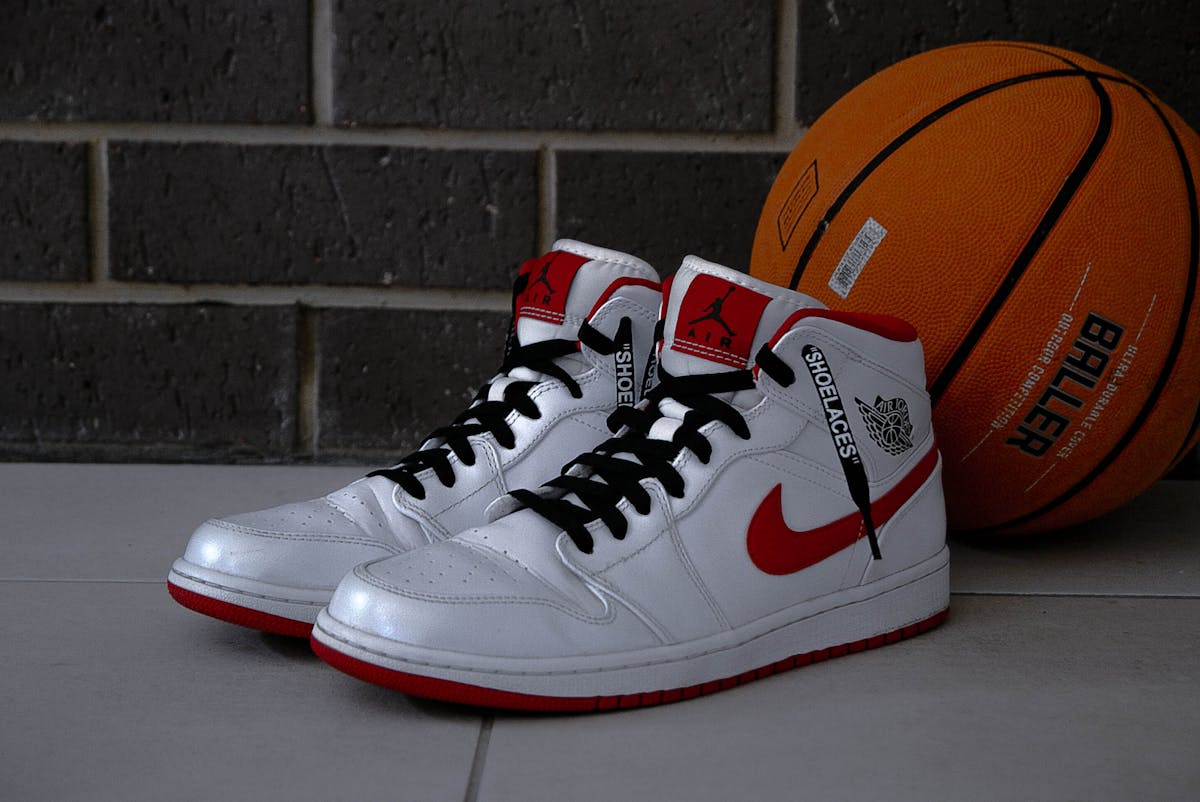
JD Sports' loyalty scheme, JD Status, gives tier members priority access to limited-edition product drops before the general public. For the UK's leading sports-fashion retailer with 800+ stores, early access to hyped trainers and streetwear is more valuable to its core demographic than points or discounts. The scarcity-as-reward mechanic is central to JD's youth-culture brand positioning.
What is JD Sports Doing?
JD Sports was founded in Bury, Greater Manchester in 1981 and has grown into one of the global leaders in sports-fashion retail. Its UK network of 800+ stores (verify current figures with JD's investor reports) is matched by a significant international presence across Europe, Asia, and North America.
JD's customer base is heavily skewed toward 16-35-year-olds who are invested in trainer culture, streetwear, and the cultural cachet of wearing the right shoe before it becomes mainstream. In this demographic, scarcity is not a bug -- it is the product. A trainer that everyone has is less desirable than one that few people can get.
JD Status is built entirely around this insight. The programme's primary perk is not points toward a discount or a free product. It is time: early access to product releases, before the general public can buy. For a customer who wants a specific Nike Jordan colourway or an Adidas Yeezy drop, getting access 48 or 24 hours before general release can be the difference between securing a pair and finding out it sold out in under a minute.
The tier structure rewards spend. Members earn status through accumulating purchases, progressing through tiers that provide increasingly early access windows. A member at the highest tier receives the earliest access; the next tier receives access a few hours later; lower tiers receive access before the public but later than higher tiers. The tiered timing creates an incentive to spend enough to reach the next level.
Why does it work?
The psychological mechanism is scarcity combined with insider status. These are two of the most powerful loyalty levers in any consumer category, and trainer culture makes them work at exceptional intensity.
Scarcity creates desire. This is well-documented in consumer psychology and is the basis of the entire "drop" model that has come to dominate premium sportswear. When a product is available to all, it becomes ordinary. When a product is available to few, it becomes coveted. JD Status converts that coveted status into a loyalty benefit: members who have earned their tier get the product that the non-member cannot.
Insider status reinforces identity. JD's core demographic is deeply identity-conscious. The trainer you wear, the brand you align with, the drop you managed to secure -- these are social signals in a specific cultural context. Being a JD Status tier member with early access is not just a loyalty benefit; it is proof of insider knowledge and community membership. That identity reinforcement is worth more to this demographic than any points table.
The tier progression adds a gamification layer that creates spend incentive without relying on discounts. Moving from one tier to the next is a visible goal with a meaningful reward -- earlier access to the drops that matter. The progress mechanic keeps members spending toward the next level in the same way that airline status programmes keep frequent flyers taking one more flight to maintain Gold status.
The Three Options on the Table
The delivery mechanism matters for scarcity-based loyalty as much as for any other format.
The worst option is a branded app. JD Sports has the infrastructure, the development team, and the daily engagement of a loyal and technology-comfortable young demographic to sustain its app. Most SMBs do not. Around 83% of branded loyalty apps are uninstalled within 30 days of download. A specialist sneaker shop or streetwear boutique cannot sustain the marketing spend required to keep a branded app installed on the phones of its core demographic.
The middle option is a paper stamp card. Paper is entirely incompatible with drop-access loyalty. You cannot put an early access window on a physical stamp card. You cannot send a "your early access starts in 2 hours" notification via paper. Scarcity-based loyalty is inherently digital and time-sensitive; paper is neither.
The best option for an SMB is a digital wallet pass on Apple Wallet and Google Wallet. The wallet pass can display the member's current tier status and carry a push notification for early access events. When you receive new stock of a limited or exclusive item, a push notification to all enrolled members -- "Members get first look at our new [item] tomorrow morning at 9am" -- is the JD Status mechanic at 1-location scale. No app build required; no download barrier; the push goes out to every enrolled member's phone instantly.
What can a 1-Location SMB Copy on Monday?
JD Status's scarcity model has three transferable lessons for any specialist retailer in any category.
Reserve stock for members. Hold back 10-20% of any limited or exclusive product specifically for loyalty members. Announce the stock arrival to members via push notification 24-48 hours before it is available to the general public. The members who secure the limited item become advocates; the members who missed out this time are motivated to reach the next tier for earlier access next time.
The mechanic amplifies desire; it does not create it. JD Status works because customers genuinely want the trainers. Scarcity loyalty requires a product or service that your best customers genuinely covet. Before implementing early-access loyalty, ask: do my best customers want something I do not always have enough of? If the answer is yes, you have the raw material for a scarcity-based programme. If the answer is no, find a different lever.
Use tier names that reflect your brand identity. JD Status is named after status itself, which is exactly what the JD customer cares about. Your tier names should reflect your category's specific identity markers. A record shop's tiers might be "Listener / Regular / Collector / Archivist." A craft beer shop's tiers might be "Hophead / Regular / Cask Member / Founding Barrel." The names signal what kind of insider you become at each level.
For the broader streetwear and sports fashion loyalty landscape, the Nike loyalty programme article covers the brand that JD Status primarily serves and how Nike's own programme creates a complementary ecosystem. The loyalty programme ideas guide covers scarcity and exclusivity mechanics in depth.
JD Status vs. UK Sports Retail Loyalty
| Feature | JD Status | Nike (NikePlus) | Sports Direct | Paper Stamp Card |
|---|---|---|---|---|
| Primary loyalty perk | Drop access | Drop access + training | Points/discounts | Stamps/visits |
| Tier structure | Yes | Yes | No | No |
| Scarcity mechanic | Central | Central | No | No |
| Early access windows | Yes | Yes | No | No |
| Push notifications | Yes | Yes | No | No |
| Identity-brand alignment | Very high | Very high | Low | None |
| SMB equivalent | Wallet pass + member drop | Not practical | Not practical | Avoid |
The alignment between JD Status and Nike's own NikePlus programme is notable. JD effectively runs a complementary scarcity programme for the same products that Nike makes available to NikePlus members. Customers in the JD Status ecosystem are often also NikePlus members; the two programmes reinforce each other.
The UK Sportswear and Trainer Culture Context
UK trainer culture is among the most developed in the world. Sneakerhead communities, resale markets, and online communities tracking upcoming drops are all significant and commercially active. JD Sports sits at the centre of this culture as the dominant high-street retailer for Nike and Jordan Brand releases.
In this context, JD Status is not primarily competing with other loyalty programmes. It is competing for the emotional investment of a demographic that takes trainer culture seriously. A young Londoner, Mancunian, or Glaswegian who is serious about their trainer collection is not weighing JD Status points against Boots Advantage Card points. They are deciding whether JD's early access is worth maintaining their spending at the level required for tier status.
For an SMB operating in any specialist or collector category -- vinyl, sneakers, craft beer, limited-edition anything -- the lesson is the same: understand what your best customers covet most intensely, and use access to that as your primary loyalty perk. Discounts and points are adequate for a general audience. Access and exclusivity are the currency of enthusiast communities.
Starting your Scarcity-Access Programme
JD Status works because it takes what is already true -- some customers care deeply about being the first to have the right product -- and builds a structured, reward-able progression system around it.
An SMB in any category with enthusiast customers and any element of limited availability can run this model. The wallet pass carries the tier status. The push notification delivers the early access window. The member who secures the limited item becomes a walking advertisement for the programme's value.
Start building your member tier programme at LoyaltyPass. Send your first "members get early access" notification to your enrolled members before your next new arrival.